
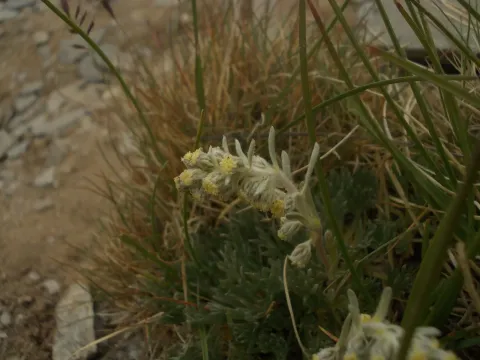
Rock wormwood
Artemisia eriantha
Rock wormwood (Artemisia eriantha) is a perennial herbaceous plant belonging to the Asteraceae family. This species is native to mountainous regions and high-altitude alpine zones, where it thrives in harsh environmental conditions.
What the section contains
Rock wormwood
The plant is highly adapted to poor, rocky soils and requires excellent drainage. It performs best in neutral to slightly alkaline substrates, typical of limestone rock formations, and does not tolerate soil compaction or waterlogging.
Rock wormwood demands full sun exposure to maintain its characteristic compact habit and silvery-grey foliage. In its natural habitat, it survives extreme temperature fluctuations and high UV exposure, which influences its unique physiological structure.
Cultivation should focus on simulating its natural high-alpine environment. Minimal use of organic fertilizers is recommended, as excess nitrogen can lead to rapid, weak growth that makes the plant susceptible to diseases and winter damage.
Botanically, it forms dense, low-growing mounds. The leaves are finely divided and covered with trichomes (hairs), which act as a protective layer against desiccation and thermal stress in high-altitude environments.
Propagation of rock wormwood is primarily achieved through seeds. Sowing is typically performed in late autumn for winter chilling or in early spring, provided the seeds have undergone a cold stratification process to improve germination rates.
Given the minute size of the seeds, they should be sown on the surface of the growing medium and only lightly covered with fine sand or grit. Maintaining constant but light moisture is critical until the seedlings establish their root systems.
The use of sterile, well-draining seed-starting mixes is essential to prevent damping-off disease. Seedlings are slow-growing and require patience before they are robust enough to be transplanted to their permanent location.
Once seedlings have developed several true leaves, they should be hardened off to adapt to outdoor conditions. Careful handling of the root system during transplantation is crucial as this species is sensitive to root disturbance.
When planting outdoors, spacing should provide adequate airflow between individual specimens. Excessive density can lead to high humidity around the foliage, which is a major precursor to fungal development.
The harvest of rock wormwood is primarily directed towards its medicinal applications and ornamental use in xeriscaping. The aerial parts are collected during the peak flowering stage when essential oil concentration is at its highest.
Collected herbs must be dried rapidly in a dark, well-ventilated area to prevent degradation of secondary metabolites. Temperatures during the drying process should not exceed 40 degrees Celsius to maintain the plant's aromatic profile.
Medicinally, extracts of Artemisia eriantha contain bioactive compounds such as flavonoids and terpenes, which are studied for their potential anti-inflammatory and antiseptic effects in pharmacological research.
In landscape design, rock wormwood is a prized specimen for rock gardens, troughs, and dry borders. Its silvery, finely textured foliage provides a year-round decorative element, even before the plant blooms.
Storage of dried plant material should be in airtight containers, protected from moisture and direct light, to ensure the longevity of the chemical components and overall quality of the harvested crop.
Root rot is the most significant threat to rock wormwood, usually caused by improper soil moisture management. Ensuring the soil remains airy and never waterlogged is the primary preventative measure for long-term survival.
Powdery mildew can occur if there is insufficient air circulation or if the foliage remains wet for extended periods. Pruning neighboring plants to ensure adequate space and ventilation is key to managing this risk.
While generally pest-resistant, in stressful conditions like severe drought or poor airflow, spider mites may colonize the foliage. Biological control or gentle mechanical removal is preferred over the heavy use of chemical pesticides.
Regular maintenance, including the removal of dead leaves from the base of the cushion, helps prevent the accumulation of debris that can harbor fungal spores and pests throughout the growing season.
By mimicking the plant's native alpine environment — high light, low water, and excellent drainage — growers can minimize the need for interventions and maintain the plant in a healthy, vigorous state.