
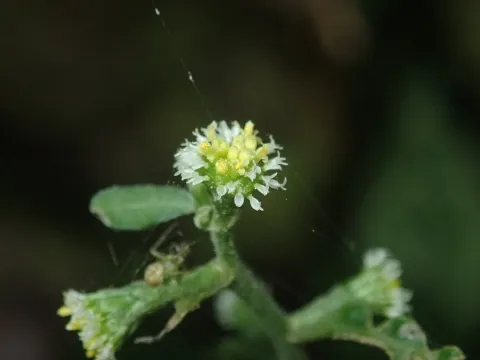
Rhynchospermum
Rhynchospermum
Rhynchospermum is an evergreen climbing plant belonging to the Apocynaceae family. It is native to Eastern Asia, specifically common in the forests and gardens of China, Korea, and Japan, where it is prized for its fragrant blossoms.
What the section contains
Rhynchospermum
The plant thrives in warm, temperate climates and requires a sunny or partially shaded location to bloom effectively. It is highly sensitive to severe frost, which limits its outdoor cultivation to regions with mild winter temperatures.
For optimal growth, Rhynchospermum requires well-draining, nutrient-rich soil. It is essential to ensure that the substrate remains moist but not waterlogged, as stagnant water can lead to rapid decay of the plant's root system.
Cultural practices include providing vertical support, such as trellises or walls, as the plant is a vigorous climber. Pruning is necessary to keep the growth under control and to stimulate denser foliage and better flower production.
In terms of irrigation, it is important to maintain a consistent watering schedule during the growing season. During winter, if kept indoors or in a cooler climate, water should be withheld significantly to allow the plant to enter a dormant state.
Rhynchospermum is susceptible to several common pests, most notably spider mites and scale insects. These organisms can cause significant damage to the leaves and stems, leading to yellowing and premature leaf drop if left unmanaged.
Mealybugs are another common threat, especially in greenhouse or indoor environments. They can be identified by the characteristic white, cottony masses they form on the stems and leaf axils, which hinder the plant's photosynthesis process.
Root rot, triggered by overwatering or poor drainage, remains the most frequent pathology for this species. This condition is difficult to reverse, so prevention through proper irrigation management and soil aeration is vital for long-term health.
Chemical control involving systemic insecticides is effective against insect pests. It is recommended to perform periodic inspections and apply treatments at the first signs of infestation to minimize the impact on the plant's growth vigor.
Fungal diseases are generally managed by improving air circulation around the canopy and avoiding wetting the foliage during the late afternoon. Maintaining a healthy growing environment significantly reduces the need for heavy pesticide usage.