
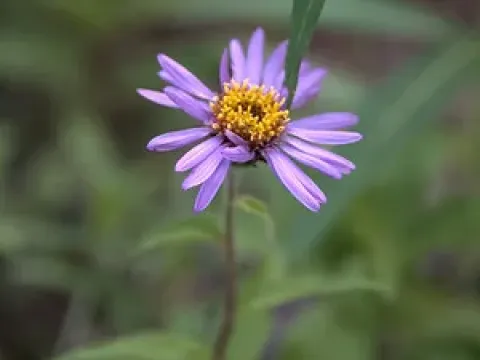
Richardson's Siberian Aster
Aster sibiricus
Richardson's Siberian Aster (Aster sibiricus subsp. richardsonii) is a hardy perennial belonging to the Asteraceae family. This species is highly adapted to subarctic and alpine environments, exhibiting a compact growth habit and extreme frost tolerance.
What the section contains
Richardson's Siberian Aster
Originating from cold regions across the Northern Hemisphere, this plant naturally thrives in rocky, nutrient-poor soils. It is well-suited for cultivation in northern climates where shorter growing seasons and low temperatures limit other ornamental options.
Optimal growth requires full sun exposure and well-draining soil conditions. Because the plant is native to stony environments, it demands a porous substrate to prevent waterlogging, which is a primary cause of failure in domestic gardens.
Cultural practices include occasional watering during prolonged dry spells and minimal fertilizer application. Over-fertilization should be avoided to prevent leggy growth and maintain the plant's natural, compact aesthetic.
This species is extensively used in landscaping, particularly for rock gardens and naturalistic plantings. Its ability to tolerate harsh winters makes it a reliable choice for cold-climate perennial borders where durability is a priority.
Powdery mildew is the most prevalent fungal disease affecting this aster, especially in areas with stagnant air or high humidity. Maintaining proper spacing between individual plants is essential for effective disease management.
Insects like aphids and spider mites may target the plant during the mid-summer peak, potentially weakening the foliage. Monitoring the undersides of leaves during warm weather is a standard proactive measure for early detection.
Root rot represents a significant threat to Richardson's Siberian Aster, often resulting from poorly drained or waterlogged soils. Ensuring that the site has a gravelly or sandy drainage layer is the best preventative strategy.
Slugs and snails can cause cosmetic damage by feeding on young leaves, particularly in damp settings. Installing physical barriers or using non-toxic baits can keep these populations under control.
To ensure plant health, avoid overhead irrigation, which increases the likelihood of fungal infections. Always direct water toward the root zone to keep the foliage dry and healthy throughout the growing season.