
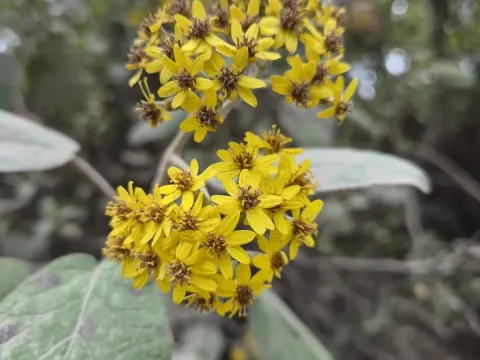
Roldana
Roldana
Roldana is a genus of perennial herbs and subshrubs within the Asteraceae family. Many species in this genus were previously included in the genus Senecio, which is why historical botanical references may still categorize them under that name.
What the section contains

Roldana
Native to the mountainous regions of Mexico and Central America, Roldana species thrive in cool, humid climates. Understanding their natural habitat is essential for providing optimal conditions in home gardens or greenhouses.
The soil for Roldana must be fertile, well-draining, and slightly acidic to neutral. Since the plant is sensitive to waterlogging, it is crucial to use a coarse potting mix or ensure excellent soil drainage if planting in the ground to prevent root decay.
Light requirements for Roldana generally lean toward partial shade or filtered sunlight. Intense direct midday sun can easily scorch the large, attractive leaves that many species in this genus are prized for, so protection from harsh UV light is necessary.
Regarding climate, Roldana is not frost-tolerant. In temperate zones, it is best managed as a container plant that can be moved indoors during winter months to protect it from freezing temperatures, ensuring it stays in a bright environment above 10°C.
Aphids and spider mites are the most common pests affecting Roldana, especially when grown indoors or in greenhouse conditions. They target the succulent tissues of the leaves, which can lead to significant aesthetic damage and stunted growth.
Mealybugs can also infest the plant, particularly in the leaf axils or under the foliage. Early detection is key; manual removal or application of horticultural soaps can prevent the infestation from spreading to other parts of the plant.
Root rot is the most serious threat, typically caused by overwatering or poor drainage. When the soil remains saturated for extended periods, the roots lose the ability to breathe, allowing pathogens to colonize the root system and cause collapse.
Powdery mildew is a common fungal issue that manifests as a white, dusty layer on the leaves. It thrives in stagnant air and high humidity; therefore, improving air circulation around the plants is the most effective cultural method for prevention.
Maintaining plant health requires a combination of regular monitoring, proper irrigation, and prompt treatment with appropriate fungicides or insecticides when necessary. Keeping the environment clean and well-ventilated reduces the risk of both pest outbreaks and fungal infections.