
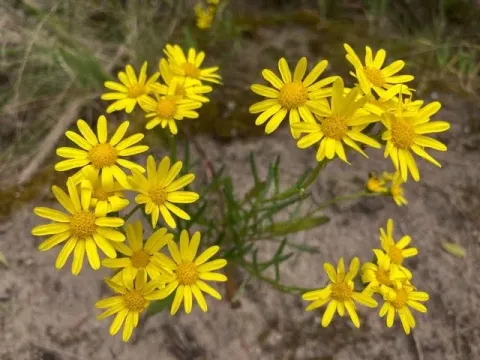
Pinnatifid ragwort
Senecio pinnatifidus
Pinnatifid ragwort (Senecio pinnatifidus) is a member of the Asteraceae family. It is a perennial herbaceous plant known for its adaptability to specific temperate zones, where it thrives in open, sunny habitats.
What the section contains
Pinnatifid ragwort
The plant requires well-drained, fertile soil to reach its full potential. Sandy loams are considered optimal, as they provide the necessary aeration and prevent moisture stagnation around the sensitive root system.
Regarding climate, this crop prefers moderate temperatures throughout the growing season. While it is hardy, extreme heat or prolonged cold snaps can adversely affect the plant's metabolic processes and overall growth rate.
Proper spacing is crucial for successful cultivation. Planting density should allow for maximum sunlight penetration and air circulation, which prevents the development of localized microclimates favorable for diseases.
Cultural practices involve minimal disturbance of the soil during the active growth phase. Regular weeding is mandatory, as this plant struggles to compete with more aggressive invasive species in the early development stages.
Like many other members of its family, this species is susceptible to various fungal pathogens. Rust fungi and powdery mildew are the most common issues, particularly in high-humidity environments.
Pests such as aphids are a frequent problem. These insects colonize the succulent parts of the plant, causing foliage distortion and acting as vectors for plant viruses that can ruin a harvest.
Root zone pests, such as soil larvae, can cause significant damage to the plant's structural integrity. Detection at an early stage is vital to prevent widespread infestation of the field.
Chemical control should be used sparingly and only when necessary. Integrated pest management strategies, including the use of neem-based oils or beneficial insects, are highly recommended for sustainable farming.
Sanitation practices, such as removing infected plant debris at the end of the season, are effective measures to reduce the inoculum load for the following year's crop cycle.