
Plagius
Plagius
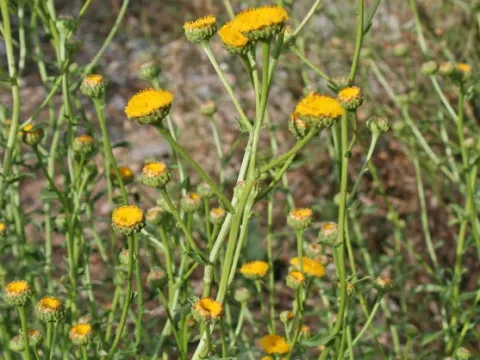
The genus Plagius belongs to the Asteraceae family and consists of herbaceous perennials native primarily to the Mediterranean basin. These plants are known for their distinct rosette leaf structure and composite flower heads.
What the section contains


Plagius
Plagius requires well-drained, nutrient-moderate soil with a slightly alkaline or neutral pH level to thrive. Heavy clay soils should be amended with organic matter or sand to improve porosity and aeration for the root system.
Climatic requirements involve a preference for temperate zones with plenty of sunlight. While the plant can tolerate partial shade, full sun exposure is crucial for maintaining compact growth and promoting optimal flowering intensity.
Moisture management is a critical aspect of Plagius agrotechnology. The soil should be kept consistently moist but never waterlogged. Irrigation frequency should be adjusted based on local evapotranspiration rates to prevent root rot.
Regular maintenance practices include removing spent flower stalks to encourage secondary blooming and winter protection in regions prone to frost. Fertilization should be focused on balanced NPK ratios during the active growth season.
Common plant diseases affecting Plagius include powdery mildew and botrytis blight, particularly under conditions of poor ventilation and high humidity. Improving airflow around the plants is the most effective cultural control method.
Insect pests such as aphids, spider mites, and leaf miners can infest the foliage, particularly during the dry summer months. Integrated Pest Management (IPM) strategies, including biological controls and targeted spraying, are recommended for long-term health.