
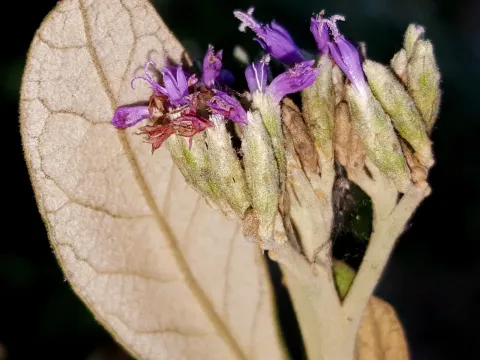
Piptocoma
Piptocoma
Piptocoma is a genus of flowering plants belonging to the Asteraceae family. These plants are primarily woody, existing as shrubs or small trees that thrive in tropical environments, displaying the structural complexity typical of many island-native species.
What the section contains

Piptocoma
The native range of this genus is concentrated in the Caribbean region, including islands like Cuba and Puerto Rico, as well as parts of Central America. They are well-adapted to specific tropical climate zones where stable warmth and seasonal moisture patterns prevail.
Cultivation requirements necessitate well-drained soil types to prevent root asphyxiation, a common issue for tropical woody plants. A location with ample sunlight is generally required for optimal growth, although some species can tolerate partial shade during their early growth stages.
Environmental management involves maintaining consistent temperatures, as the genus is highly susceptible to chilling injury. High humidity levels are generally preferred, reflecting the natural ecosystem of their origin where evaporation rates are balanced by frequent rainfall.
Economically, Piptocoma is valued in landscape architecture for its aesthetic properties and its ability to provide structural diversity in tropical garden settings. Research into its chemical composition continues to highlight the potential for studying its secondary metabolites.
The primary threats to Piptocoma species involve fungal pathogens that thrive in high-humidity tropical climates. These pathogens often target the foliage and root systems, necessitating precise irrigation management and regular site sanitation to prevent disease outbreaks.
Pests that frequently affect the culture include aphids and scale insects, which feed on succulent new growth. Integrated pest management, focusing on biological controls and manual removal, is recommended to keep these populations under control without damaging the plant's natural health.