
Piqueria
Piqueria
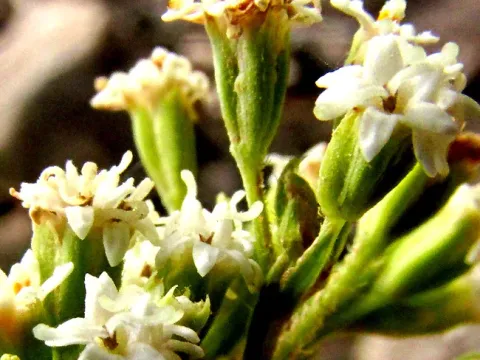
Piqueria is a genus of flowering plants belonging to the Asteraceae family. Native primarily to Central and South America, these plants typically grow as perennials in tropical and subtropical climates, valued for their delicate foliage and small, clustered inflorescences.
What the section contains
Piqueria
Successful cultivation requires a well-structured soil that balances moisture retention with efficient drainage. A peat-based mix or a fertile loam substrate is recommended to support root development, provided the pH level remains slightly acidic to neutral.
Climatic requirements are specific to the genus, as Piqueria is highly sensitive to frost. In regions outside its natural habitat, it is cultivated in greenhouses or as a seasonal pot plant, requiring controlled temperatures usually between 18°C and 22°C for optimal growth.
Light management plays a crucial role in plant vigor. While Piqueria appreciates bright, indirect light, it should be protected from intense direct sun, which can cause leaf scorch and dehydration, especially during the peak of summer growth.
In terms of usage, Piqueria is widely utilized in professional floristry as a filler plant. Its durability and long-lasting inflorescences make it a popular choice for cut flower arrangements, providing a soft, white texture that complements diverse bouquet styles.
Common pests affecting Piqueria crops include aphids and spider mites. These pests thrive in low-humidity greenhouse environments and can cause significant damage to the plant's aesthetic appeal if not managed with integrated pest control measures.
Fungal issues, particularly powdery mildew and root rot, are frequent threats when irrigation practices are inconsistent. Ensuring adequate air circulation around the plants and avoiding overhead watering are essential strategies for maintaining a healthy Piqueria crop.