
Pinnatifid aster
Aster pinnatifidus
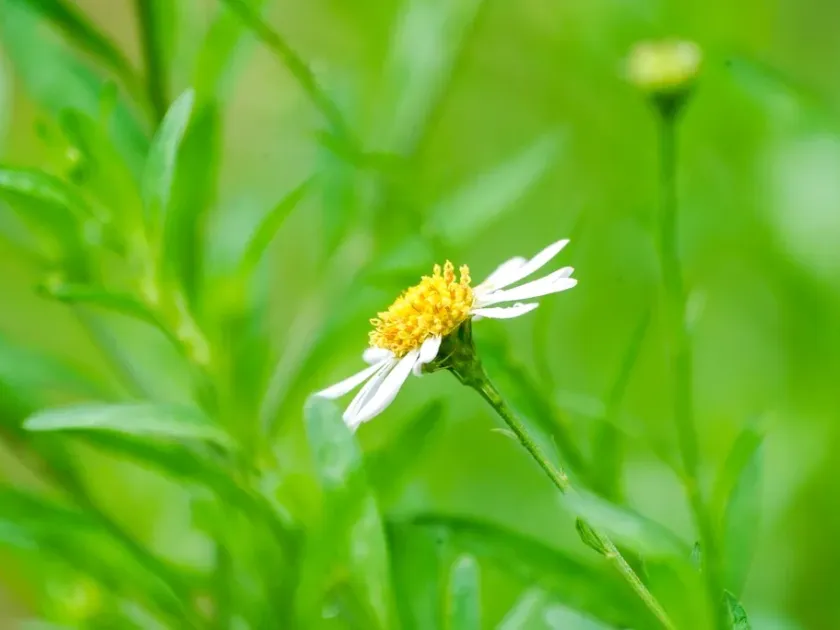
Description
Sowing dates
Aster pinnatifidus is a distinctive perennial member of the Asteraceae family, valued for its unique foliage and hardiness. It is commonly propagated through seeds sown in early spring or via division of established mature clumps.
For seed propagation, sowing should take place when soil temperatures consistently reach 10–12°C. Greenhouse sowing in late winter is recommended to ensure robust seedling development before transplanting.
Seeds require a period of stratification to break dormancy. Sowing depth should remain minimal, around 1 centimeter, as light is often beneficial for the germination process of aster species.
Seedlings typically emerge within three weeks. Pricking out is necessary once the plants develop two pairs of true leaves, promoting the expansion of the fibrous root system.
When dividing the plant, it is essential to ensure each piece has sufficient roots and healthy buds. This method is preferred for maintaining the purity of the variety and ensuring rapid establishment.
Growing requirements
Aster pinnatifidus demands full sun exposure for optimal growth. Even partial shade can lead to weak, spindly stems and significantly reduce the total number of flower heads produced during the season.
The soil must be well-drained and light, such as a sandy loam texture. Poor drainage quickly leads to root rot, which is the primary cause of failure in agricultural cultivation of this species.
Maintaining a neutral to slightly alkaline pH is crucial. Soil analysis should be performed prior to planting, and dolomitic lime can be used to adjust the acidity of the site if necessary.
Water requirements are moderate, though consistent moisture is required during the initial establishment phase. Once the root system is deep, the plant shows good drought resistance compared to other garden varieties.
Fertilization should focus on phosphorus and potassium to boost reproductive growth rather than excessive nitrogen, which can lead to lush leaf growth at the expense of floral display.
Main diseases and pests
Powdery mildew is the most common fungal disease, appearing as a white coating on the leaves. It is often triggered by high humidity and poor air circulation among the foliage.
Aphids are frequent pests, often clustering on the tender buds. Regular monitoring and the application of insecticidal soaps are typically sufficient to keep populations at bay without damaging the plant.
Leaf nematodes can inhabit the soil and cause severe stunting. Crop rotation and using sterilized soil media for seedlings are the best defense mechanisms against these soil-borne pests.
In wet climates, gray mold (Botrytis) may affect the flower heads. Removing decaying plant matter and ensuring proper spacing between plants is essential for effective disease prevention.
Spider mites may become problematic during periods of intense heat and dry weather. Keeping the foliage hydrated and using appropriate acaricides are recommended practices to mitigate damage.