
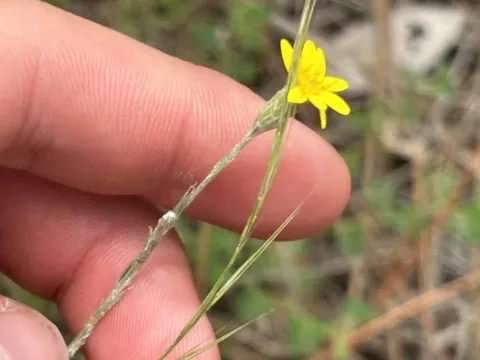
Pityopsis
Pityopsis
Pityopsis, a member of the Asteraceae family, can be propagated through seeds or by division. Sowing should ideally occur in early spring once the soil begins to warm up.
What the section contains

Pityopsis
Seeds of Pityopsis often benefit from cold stratification to break dormancy, which significantly improves germination rates under field conditions.
When propagating via division, mature clumps should be separated in early spring or late autumn to minimize stress on the root system.
Planting depth should be kept shallow, as the seeds require sufficient light to germinate effectively and produce vigorous seedlings.
Spacing requirements vary depending on the specific species, but maintaining a distance of 30 to 50 cm ensures adequate airflow and prevents root crowding.
Native to North America, Pityopsis species are well-adapted to open habitats, prairies, and pine forests, reflecting their preference for full sun exposure.
The plant thrives in well-drained, sandy, or rocky soils. It is highly intolerant of waterlogged conditions, which can lead to root rot and plant decline.
Known for its exceptional drought tolerance, Pityopsis is an ideal candidate for xeriscaping and sustainable garden designs in dry climates.
While tolerant of low-nutrient soils, an occasional application of balanced organic fertilizer can support stronger stems and more abundant floral displays.
Pityopsis is quite hardy, capable of enduring the temperature fluctuations typical of its natural range, making it a reliable choice for temperate landscape projects.
High humidity and poor air circulation are the primary factors contributing to fungal infections, such as powdery mildew, in Pityopsis populations.
Root rot is a major threat caused by heavy, poorly drained soils or over-irrigation, which creates an anaerobic environment for the roots.
Sucking insects like aphids or spider mites may occasionaly attack the foliage, though they rarely cause fatal damage to well-established, healthy plants.
Preventive maintenance involves regular removal of surrounding weeds and dead foliage to ensure maximum sunlight penetration and air movement.
Cultural control remains the most effective strategy, focusing on site selection and irrigation management to prevent the establishment of disease-promoting conditions.