
Piedmont wormwood
Artemisia pedemontana
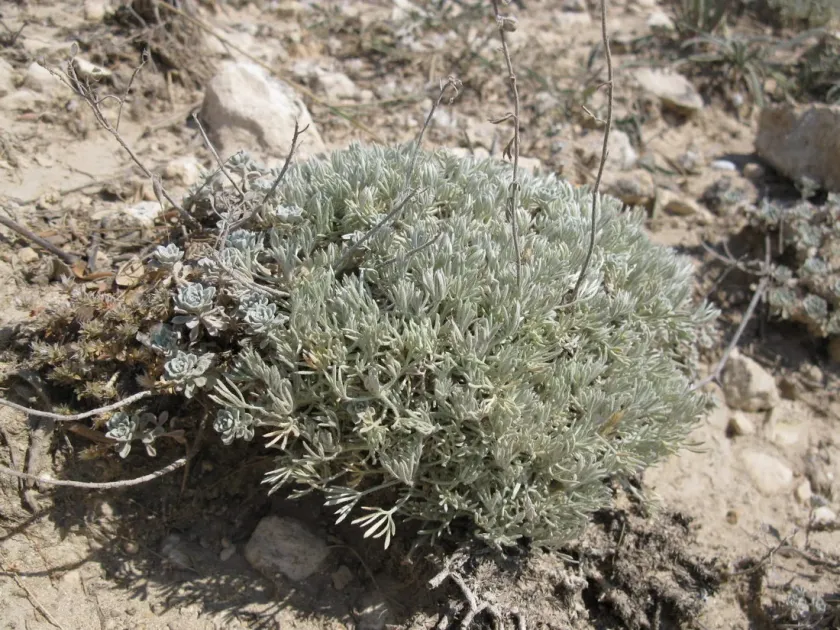
Description
Sowing dates
Sowing of Piedmont wormwood in commercial settings is typically conducted in early spring, once the soil has warmed to at least 8–10 degrees Celsius. Seeds require pre-sowing treatment, such as cold stratification, to ensure optimal germination rates.
Seeds should be sown at a shallow depth of approximately 1–2 centimeters, as they are light-sensitive and need sufficient exposure to light to sprout effectively. Seedlings usually emerge within 14 to 20 days if the soil moisture is kept consistent.
Plant spacing should be determined by the expected bush size, with row widths of 45–60 centimeters recommended. High-density planting is generally avoided to ensure adequate air circulation and reduce the risk of humidity-related diseases.
Late autumn sowing is also a viable method, utilizing natural winter cold for stratification. This strategy often results in more robust root development and earlier vegetative growth once the spring season begins.
It is essential to prepare the field by clearing all perennial weeds before sowing. Piedmont wormwood has a slow initial growth rate and can easily be outcompeted by more aggressive weed species in its first year.
Growing requirements
Piedmont wormwood belongs to the Asteraceae family and is known for its exceptional drought tolerance. It is well-suited for cultivation in dry, rocky, or sandy soil profiles that offer superior drainage capabilities.
The plant thrives in full sun, as maximum sunlight exposure is crucial for the development of its secondary metabolites and aromatic essential oils. Excessive soil moisture or stagnant water is detrimental and often leads to root rot.
It prefers alkaline or neutral carbonate soils and does not require high levels of fertilization. Over-application of nitrogenous fertilizers should be avoided, as it can diminish the quality and potency of the plant's essential oils.
This species possesses high cold hardiness, making it suitable for a wide range of temperate climates. It is highly resistant to heat stress, largely due to its deep taproot system that reaches deeper soil water reserves.
Regular cultivation of the inter-row space is recommended to maintain soil aeration and prevent compaction. This practice promotes vigorous side-shoot growth and enhances the overall foliage density of the plant.
Yield
Yield potential depends heavily on soil fertility and the amount of daily solar radiation the plantation receives. Under optimal management, dry matter yields can range between 1.5 and 2 tonnes per hectare.
Peak biomass production is typically observed during the second and third years after establishment. Following this period, plantation vitality may gradually decline, necessitating periodic renovation or replanting to maintain production levels.
Harvesting should occur during the peak flowering phase, when the concentration of flavonoids and aromatic compounds in the aerial parts is at its maximum level. This timing is critical for producing high-quality raw material.
Quick drying after harvest is mandatory to preserve the volatile compounds within the plant. Drying should be conducted under shaded, well-ventilated conditions at temperatures strictly below 40 degrees Celsius to prevent chemical degradation.
Seed yield for certified seed production plots is typically around 100–150 kilograms per hectare. Careful cleaning and grading are necessary to maintain seed viability and purity for future planting cycles.
Main diseases and pests
Fungal pathogens represent the primary threat to Piedmont wormwood, particularly when environmental humidity is high. Powdery mildew and various rust fungi are the most common infections found in dense plantations.
Insects like aphids and spider mites can cause significant damage to young plantations. Integrated pest management strategies, utilizing biological control agents, are preferred to maintain the crop's organic or pharmaceutical-grade status.
Root rot is a severe condition usually linked to poor soil drainage or improper site selection. Once established in a field, root rot can spread rapidly, leading to significant yield loss across infected zones.
Adhering to a strict crop rotation cycle is essential to prevent the buildup of soil-borne pathogens. A minimum interval of 4–5 years between planting wormwood on the same site is highly recommended for disease control.
Routine phytosanitary inspections should be conducted weekly during the growing season. Early detection of affected plants and their immediate removal can prevent the spread of infections to healthy sections of the crop.
Harvesting
Harvesting is performed during the peak bloom phase, ensuring the plant is at its highest metabolic activity. Mechanical harvesters or manual cutting methods can be employed depending on the scale and terrain of the plantation.
Plants should be cut approximately 10–15 centimeters above the ground level. This practice allows the root system to recover and ensures the plant remains productive and vigorous for the subsequent growing season.
Prompt transport of harvested biomass to drying facilities is essential to prevent fermentation and heat buildup within the raw material. Special containers with ventilation are ideal for maintaining crop quality during transit.
Post-harvest processing involves sorting and cleaning to remove woody stems, weeds, and other debris. This refined product is then packaged for storage or further extraction in the essential oil or pharmaceutical industries.
Final storage conditions must be cool, dry, and dark to maintain the chemical integrity of the dried product. Hermetically sealed containers help preserve the aromatic properties for an extended shelf life.