
Piptocarpha
Piptocarpha
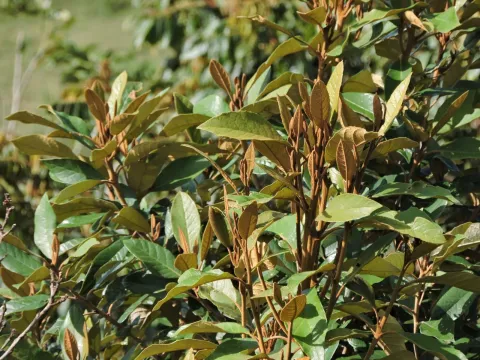
Piptocarpha is a genus of trees and shrubs belonging to the Asteraceae family. These plants are primarily native to the tropical forests of Central and South America, thriving in warm and humid environments where the climate remains stable throughout the year.
What the section contains


Piptocarpha
The cultivation of Piptocarpha requires fertile, well-drained soil rich in organic matter. They are highly dependent on high soil moisture levels and consistent ambient humidity, reflecting their origins in the dense understory or canopy edges of tropical rainforests.
Botanically, the genus is characterized by alternate leaves that often possess a distinct indumentum (hairiness) on the underside. Their flowers form small heads arranged in clusters, which is a hallmark of the Asteraceae family, contributing to their unique reproductive cycle.
Agricultural management of Piptocarpha involves providing adequate shelter from intense direct sunlight during the seedling stage. As the plants mature, they demonstrate better tolerance to sunlight, although maintaining a consistent irrigation schedule remains vital for optimal health.
The economic and practical utility of Piptocarpha covers various fields, including medicinal studies regarding its secondary metabolites. In certain local contexts, the species is also recognized for its role in maintaining biodiversity within managed agroforestry systems.
The primary threats to Piptocarpha cultivation include fungal infections that thrive in high humidity and poor air circulation. Foliar pathogens can significantly weaken the plant if left unchecked, leading to premature leaf drop and stunted growth.
Insect pests such as leaf-eating caterpillars and sap-sucking insects pose a recurring challenge. Implementing a regular inspection regimen and employing biological control measures are considered the most effective strategies for maintaining healthy plant populations.