
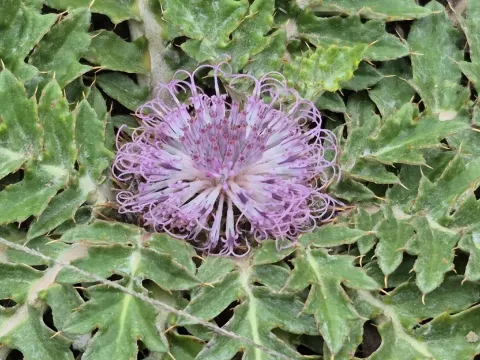
Platycarpha
Platycarpha
Sowing Platycarpha requires careful consideration of the climate, as this plant is native to South African environments where seasonal rainfall dictates the growth cycle.
What the section contains

Platycarpha
In a controlled agricultural setting, seeds should be sown when soil temperatures reach a consistent range of 15 to 20 degrees Celsius to ensure rapid germination.
Surface sowing is recommended because the seeds are quite fine, and burying them too deep can prevent the seedlings from emerging through the soil crust.
If starting indoors, sow in trays 4 to 6 weeks before the anticipated final frost date to give the plants a head start before moving them into the field.
Spacing should be managed to ensure each rosette has enough room to fully expand, which reduces competition for water and sunlight in the early vegetative stage.
Platycarpha belongs to the Asteraceae family and is characterized by a basal rosette growth habit, making it distinct among agricultural field crops.
The plant thrives in well-drained, sandy-loam soils; it is highly intolerant of waterlogged conditions, which can lead to rapid root decay and plant loss.
It demands full sunlight exposure, so fields must be situated in open areas without shading from trees or buildings to optimize photosynthesis.
While the plant shows some drought tolerance, regular irrigation during dry spells will significantly improve both the biomass yield and the general health of the crop.
Nutrient management should focus on a balanced NPK ratio, with special attention to phosphorus levels to support healthy root development in the early stages.
The potential biomass yield of Platycarpha is currently under investigation for its suitability as a non-traditional forage crop in semi-arid regions.
Yield results are highly dependent on local environmental conditions and the intensity of crop management applied during the growing season.
Flower production is robust if pollinators are present, which makes the crop potentially valuable for biodiversity in addition to its biomass output.
Farmers can expect variable yields until more domesticated varieties are selected and adapted to specific soil types and climates outside its native range.
Maximizing yield involves precise timing of fertilizer applications and ensuring that the crop remains free from aggressive weed competition.
Fungal pathogens represent the most significant threat to Platycarpha, particularly when humidity levels remain high for extended periods, leading to stem or root rot.
Pests such as aphids and spider mites can infest the leaf rosettes, requiring early intervention with organic or synthetic control methods to avoid damage.
Weed control is essential during the establishment phase, as the plant grows relatively slowly and can be easily outcompeted by more aggressive field weeds.
Crop rotation protocols should be strictly followed to prevent the buildup of soil-borne diseases that are common to the Asteraceae family in intensive monocultures.
Regular field scouting is highly recommended to detect any signs of nutrient deficiency or pest activity before they cause significant economic loss.
Harvesting the foliage for biomass should ideally occur at the peak of the flowering stage, which ensures that the plants have reached their maximum nutritional quality.
Seed harvesting is more complex due to the asynchronous ripening of the flower heads, which necessitates multiple passes or specialized machinery for collection.
Once harvested, the plant material must be dried in a well-ventilated space, protected from direct sunlight to preserve the integrity of its biological compounds.
Storage facilities must be kept cool and dry to prevent the reabsorption of moisture, which could lead to spoilage or the development of mold in stored lots.
Post-harvest processing involves screening and winnowing to remove unwanted debris from the seeds, ensuring a high-quality product for future planting cycles.