
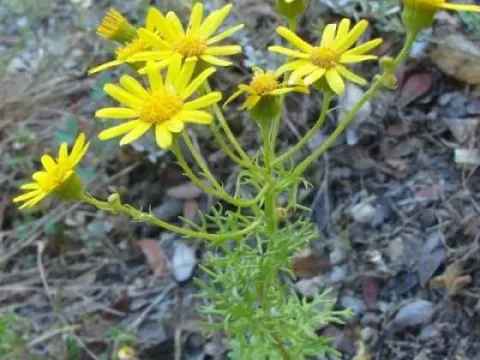
Senecio delphinifolius
Senecio delphinifolius
Senecio delphinifolius is a notable species within the Asteraceae family. Often found in disturbed environments, it acts as a persistent weed that challenges agricultural productivity by invading pastures and margins of crop fields.
What the section contains
Senecio delphinifolius
The plant thrives in a variety of soil types, showing a preference for well-drained loamy soils. It demonstrates a high level of drought tolerance once the root system is established, allowing it to survive in arid conditions where other crops might fail.
Botanically, the species is identified by its finely divided, pinnate leaves, which resemble the foliage of the genus Delphinium. Its inflorescences consist of typical yellow composite flowers that produce large quantities of wind-dispersed seeds.
Climatic requirements are relatively broad, with the species performing well in temperate to semi-arid regions. It is highly responsive to increases in soil moisture, which triggers rapid vertical growth and branching.
From an agricultural standpoint, it is primarily regarded as a toxin-producing weed. The presence of pyrrolizidine alkaloids in the plant tissue poses significant health risks to livestock, making management of this species crucial for safety.
The management of this species relies on integrated pest management (IPM) strategies. Chemical control via systemic herbicides applied during the rosette stage is the most effective approach for large-scale infestations.
Due to its high physiological resilience, the plant rarely suffers from significant disease pressure. Most common agricultural pathogens do not adversely affect its growth, which contributes to its status as a highly competitive weed.
Natural pest enemies include specific coleopteran and lepidopteran species that feed on foliage, but their impact is generally insufficient to achieve total control without human intervention.
Mechanical control, including manual digging and systematic mowing before seed set, is recommended for smaller areas to prevent the dispersal of seeds into surrounding fields.
Effective long-term control necessitates monitoring of soil seed banks and maintaining dense canopy covers with desired forage species to suppress the germination of Senecio seeds.