
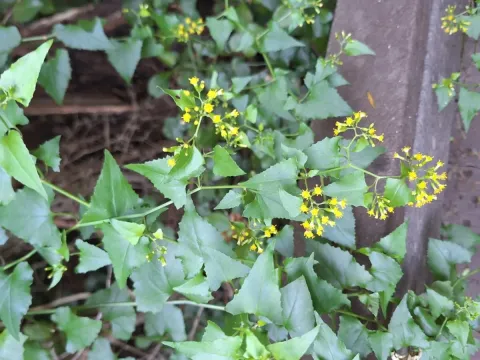
Senecio deltoideus
Senecio deltoideus
Senecio deltoideus is a robust perennial vine belonging to the Asteraceae family. Characterized by its unique deltoid-shaped leaves and vigorous twining stems, it is a significant species in the context of botanical interest and ornamental horticulture.
What the section contains
Senecio deltoideus
The species is native to South Africa, thriving in forest margins and thickets. Its natural habitat implies a preference for a warm, temperate, or subtropical climate where it can grow throughout the year without the risk of lethal frost damage.
Regarding soil requirements, it performs best in rich, well-draining substrates that maintain moderate moisture levels. It is adaptable to various soil types, provided that waterlogging is strictly avoided to prevent root rot, which is the most common issue in improper soil conditions.
In terms of light, the plant prefers bright, filtered sunlight. While it can tolerate partial shade, insufficient light levels may result in leggy stems and reduced foliage density, impacting its aesthetic value and overall structural integrity.
Agrotechnical practices involve providing sturdy supports for the climbing stems. Annual pruning is recommended to maintain shape, control growth, and stimulate the production of new, healthy foliage during the active growing season.
Common pests affecting Senecio deltoideus include spider mites and mealybugs, particularly in indoor or greenhouse environments. These pests thrive in dry air conditions, making frequent misting or humidity control an effective preventive strategy.
Root rot caused by pathogenic fungi is a major threat linked to overwatering. Ensuring an excellent drainage system and allowing the top layer of soil to dry out between watering intervals is essential for plant health.
Aphid infestations can occur on young shoots, causing leaf curling and stunted growth. Integrated pest management, including the use of neem oil or insecticidal soaps, is usually sufficient to handle minor outbreaks.
Poor ventilation can lead to fungal infections such as powdery mildew, especially in dense plantings. Proper spacing and airflow management within the canopy are critical for disease prevention.
It is crucial to note that this plant contains pyrrolizidine alkaloids, which are toxic if ingested by livestock or pets. Due to these chemical properties, it should be kept away from grazing areas and handled with care.