
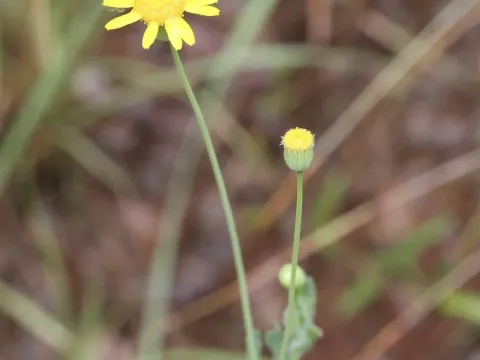
Senecio discifolius
Senecio discifolius
Senecio discifolius is a perennial herbaceous plant classified within the Asteraceae family. Known for its specific botanical structure, it is categorized as a species of interest for both scientific study and specialized cultivation within the agro-industrial sector.
What the section contains
Senecio discifolius
The native habitat of this plant typically includes high-altitude regions where it has evolved to thrive in specific temperate conditions. Cultivation success depends on replicating these environmental parameters as closely as possible within an agricultural setting.
The plant thrives best in well-drained, nutrient-rich soils with a neutral pH. Proper soil structure is essential, as waterlogging is highly detrimental to root health, often leading to rapid decline in plant vitality and overall yield potential.
Direct exposure to sunlight is critical for Senecio discifolius, as it directly impacts the photosynthetic capacity and the development of essential chemical compounds. Proper spacing is required to ensure each plant receives adequate light and air circulation.
Agricultural management involves routine soil aeration and weed control to reduce competition for nutrients. Fertilization strategies should focus on supporting steady growth phases without inducing excessive, weak vegetative development.
Aphids represent the most significant pest threat to Senecio discifolius, as they feed on tender shoots and can cause stunted growth. Regular monitoring is necessary to keep infestations below economic injury levels.
Root rot, often caused by pathogens in the soil under conditions of excessive moisture, is the primary disease challenge. Maintaining proper soil moisture levels and ensuring effective drainage are the best preventive measures.
Powdery mildew may occur during periods of high humidity or poor air circulation. Providing sufficient distance between plants and preventing leaf wetness can significantly reduce the incidence of this fungal infection.
Mining insects can damage leaf tissues, creating trails that interfere with photosynthesis. Early detection through systematic field scouting is key to effectively managing these pests without resorting to broad-spectrum insecticides.
Implementing an integrated pest management (IPM) approach is highly recommended to protect the crop while maintaining the environmental standards required for medicinal or industrial botanical production.