
Three-leaved rattlesnakeroot
Prenanthes trifoliolata
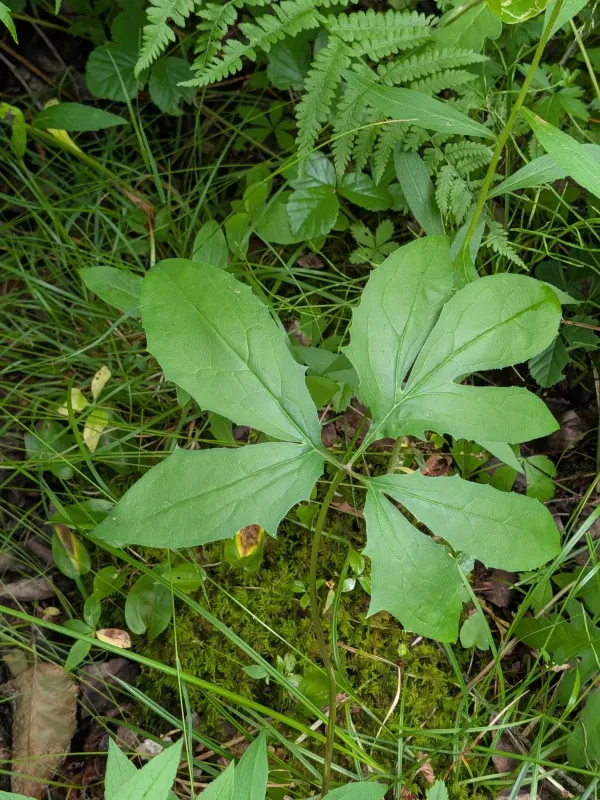
Description
Growing requirements
The three-leaved rattlesnakeroot (Prenanthes trifoliolata) is a herbaceous perennial belonging to the Asteraceae family. It is native to woodland environments, typically found in moist and shaded forest margins.
Cultivation requires humus-rich, loose, and well-drained soil. The plant thrives best in environments that mimic forest floors, where organic matter is abundant and soil moisture remains consistent throughout the growing season.
Climate requirements for this species are moderate, preferring cool to mild temperatures and high humidity levels. It is quite hardy and can survive frost, making it suitable for woodland garden settings in various temperate zones.
Agronomic management focuses on consistent moisture levels. Overwatering must be avoided, as the plant's roots are sensitive to anaerobic conditions caused by waterlogging, which often leads to rapid decay.
The primary use of this plant is ornamental, specifically for native plant collections or shade-tolerant landscaping. Its unique architectural structure and nodding flower heads provide a distinct visual interest.
Main diseases and pests
Fungal diseases are the primary threat, particularly powdery mildew, which often appears in late summer. Improving air circulation is crucial to preventing the spread of these pathogens within the plant canopy.
Pests such as aphids and spider mites can attack the foliage during dry spells. Regular inspection is recommended, especially in the early stages of growth when the foliage is soft and succulent.
Slugs and snails present a consistent problem for young plants, as they find the tender leaves highly palatable. Using organic barriers or bait traps is a common practice in intensive garden cultivation.
Root rot is the most serious physiological threat, often caused by heavy soil that retains too much moisture. Ensuring that the site has adequate drainage is the most effective preventative measure.
Integrated pest management suggests maintaining a diverse planting scheme to encourage beneficial insects that naturally control aphid populations, reducing the need for chemical interventions.