
Purple rattlesnakeroot
Prenanthes purpurea
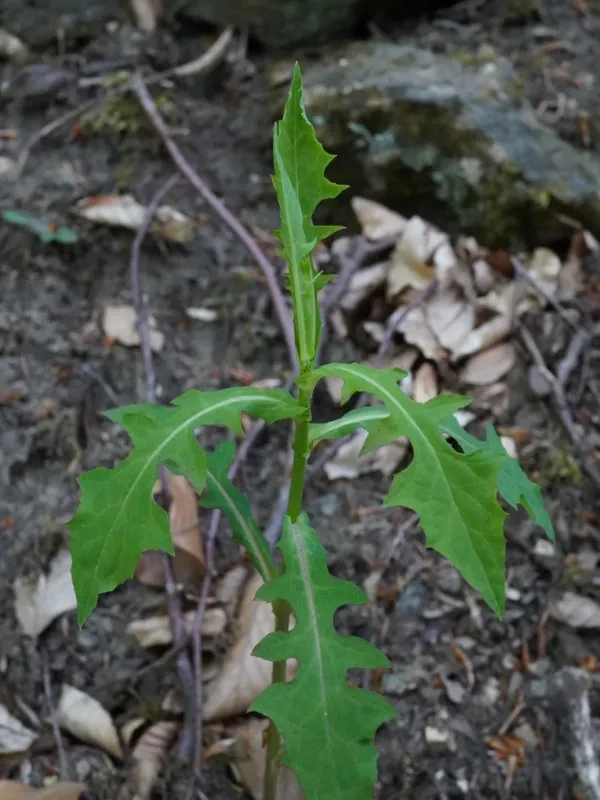
Description
Growing requirements
Purple rattlesnakeroot (lat. Prenanthes purpurea) is a herbaceous perennial belonging to the Asteraceae family. Known for its distinct purple drooping flowers, this plant serves as a unique component in shade-loving ornamental gardens and specific medicinal landscapes.
The native distribution of the species is centered in Central and Southern European mountains. It thrives in temperate forest zones where it occupies the understory, benefiting from the protection of large trees and stable forest microclimates.
Agricultural success depends on mimicking these native environments. The crop requires well-drained, nutrient-rich, humus-heavy soils. pH levels should be kept in the neutral or slightly acidic range to ensure proper nutrient uptake and vigor.
Botanically, the plant stands out due to its tall, leafy stems and characteristic panicles of purple-red florets. Its life cycle involves dormant periods in winter, making it hardy in zones with cold climates provided there is sufficient mulch or snow cover.
Maintenance in a farm or nursery setting involves careful moisture management. Unlike drought-tolerant meadow plants, Prenanthes purpurea requires consistent soil moisture and high humidity, making it suitable for shaded garden beds or humid forest edges.
Main diseases and pests
The primary threats include fungal pathogens that exploit high humidity. Powdery mildew and rust are common concerns, especially when air circulation between plants is poor or when plant density exceeds recommended agricultural standards.
Pest management focuses on controlling leaf-feeding insects and mollusks like slugs. Slugs can pose a significant threat to young plants in the spring, potentially destroying new growth before it can establish a robust root system.