
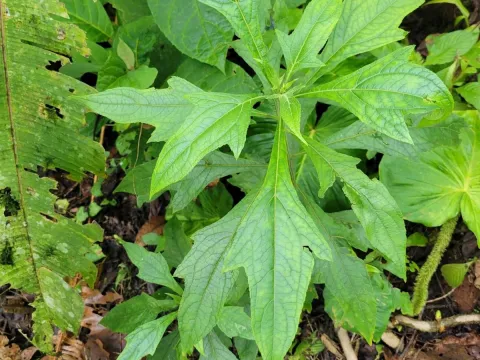
Pluchea symphytifolia
Pluchea symphytifolia
Pluchea symphytifolia is a perennial plant that is propagated primarily through seed sowing in a controlled substrate during the early spring season.
What the section contains
Pluchea symphytifolia
The seeds require an optimal temperature range between 22 and 25 degrees Celsius and consistent moisture levels to achieve high germination rates.
When sowing, it is critical to ensure that the seeds are placed at a shallow depth, usually covered by a fine layer of potting mix to maintain contact.
Seedlings should be hardened off before being transplanted to their final location, ensuring they have developed sufficient root structure to withstand environmental changes.
Spacing between individual plants should be carefully managed to prevent overcrowding, which is essential for maximizing air circulation and plant vigor.
This species belongs to the Asteraceae family and thrives in well-drained, nutrient-rich soils with a slightly acidic to neutral pH profile.
The plant requires significant light exposure and should be situated in a location that receives full sun or very light partial shade during the peak heat hours.
Watering management is key, as the plant prefers stable moisture but is highly sensitive to waterlogged conditions that can cause root hypoxia.
Environmental requirements include a warm, humid climate, which reflects the plant's native habitat conditions in tropical and subtropical regions.
Regular maintenance involves soil aeration and periodic fertilization using balanced organic compounds to support robust biomass production.
Common pests include aphids and spider mites, which can cause significant damage to the foliage if environmental conditions are not strictly controlled.
Fungal pathogens pose a major risk, particularly root rot, which is often triggered by excessive soil moisture and poor drainage in the cultivation area.
Preventive measures such as implementing crop rotation and ensuring adequate space between plants help significantly reduce the incidence of disease.
Monitoring for signs of powdery mildew is recommended, especially in high-humidity areas where air circulation might be restricted.
Integrated pest management strategies focusing on biological controls are strongly encouraged to maintain the overall health and quality of the crop.