
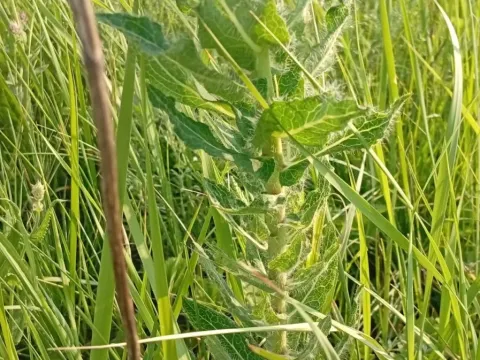
Poisonous hawkweed
Hieracium virosum
Poisonous hawkweed (Hieracium virosum) is a perennial herb within the Asteraceae family. While not a conventional staple crop, it serves ecological functions as a hardy plant that thrives in challenging environments where other species fail to establish.
What the section contains
Poisonous hawkweed
The plant originates from Europe and parts of Western Asia. Its natural habitat includes dry meadows, rocky limestone slopes, and forest edges, indicating a high level of tolerance for nutrient-poor and stony substrates.
In terms of soil requirements, this species prefers well-drained, porous soils that prevent moisture stagnation. It shows remarkable resilience to low precipitation, making it a viable candidate for sustainable land management in arid zones.
Botanically, it is defined by its stiff, leafy stem and bright yellow flower heads. The root system is deep and efficient at extracting nutrients from marginal lands, which prevents soil erosion in hilly agricultural landscapes.
The cultivation practices for this plant are minimal, focusing mostly on controlling competitive weeds during the early establishment phase. Once settled, the plants become self-sustaining and require almost no additional fertilizers or chemical inputs.
The primary threats to Hieracium virosum include fungal pathogens, particularly powdery mildew, which thrives in high humidity conditions. Adequate spacing between individual plants is necessary to promote air circulation and disease prevention.
Pests such as aphids and specialized coleopterans can cause damage to the foliage. However, given the plant's robust nature, it typically tolerates moderate infestations without the need for intensive pesticide application.