
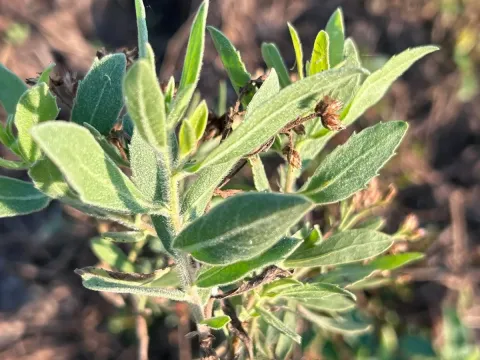
Pluchea dioscoridis
Pluchea dioscoridis
Pluchea dioscoridis is a perennial shrub belonging to the Asteraceae family. It is native to tropical and subtropical regions of Africa and the Middle East, naturally thriving in moist habitats such as riverbanks and wetlands.
What the section contains
Pluchea dioscoridis
For successful cultivation, this plant requires high levels of solar radiation and a warm, frost-free climate. Temperatures between 20°C and 30°C are ideal for consistent vegetative growth, making it a viable crop for warm climates.
The soil should be well-draining yet capable of retaining moisture, as Pluchea dioscoridis is sensitive to prolonged desiccation. Fertile loamy soils with neutral pH levels promote the most vigorous growth and development.
Agronomic management involves regular irrigation to ensure the soil moisture remains constant during the hottest months. Proper spacing between plants is necessary to allow for adequate airflow and to prevent the development of diseases.
Applying organic amendments during the early growth phase improves plant establishment and biomass production. Given its natural adaptation, it can also tolerate periodic waterlogging, which is a unique advantage among similar medicinal shrubs.
The economic utility of Pluchea dioscoridis is centered on its phytochemical content. The plant is widely harvested for its medicinal properties, specifically for use in treating inflammatory conditions and as a traditional antiseptic agent.
Harvesting is typically timed with the peak flowering period, as the concentration of essential oils and bioactive secondary metabolites is highest at this stage. This ensures a high-quality yield for pharmaceutical processing.
Post-harvest handling is critical to preserving the volatile compounds in the foliage. Drying should be conducted in shaded, well-ventilated areas to prevent degradation by UV light or excessive heat exposure.
Proper storage in moisture-proof and light-shielded containers is essential to maintain the potency of the raw material. This allows for long-term storage of the product before it is sold to manufacturers of health supplements.
Future potential lies in selecting genotypes with higher essential oil profiles. With optimized farming practices, Pluchea dioscoridis can become a significant source of raw material for the natural medicine market.
The main phytosanitary risks include fungal pathogens that emerge under high humidity. Maintaining adequate distance between rows and ensuring good ventilation are essential cultural practices to mitigate these risks.
Insect pests, such as aphids and spider mites, are common during periods of extreme heat. Regular scouting and the application of natural predatory controls or bio-pesticides are recommended to manage these infestations effectively.
Root rot, caused by poor soil drainage and waterlogging, can lead to plant mortality. Installing proper drainage systems and preventing soil compaction are key preventative measures against soil-borne issues.
Competition from weeds can significantly stunt the growth of young Pluchea shrubs. Weed control should be performed early in the season, with mulch being an effective tool to suppress weed germination near the base of the plant.
Integrated pest management (IPM) is the most sustainable approach for commercial cultivation. By reducing reliance on synthetic chemicals, producers can ensure the quality and marketability of their medicinal crop.