
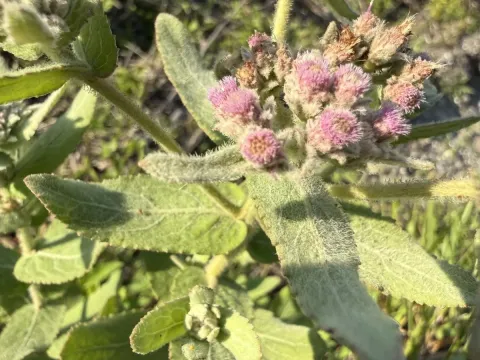
Pluchea rosea
Pluchea rosea
Pluchea rosea is a perennial herbaceous species belonging to the Asteraceae family. It is typically found in wetland habitats, marshes, and along the edges of water bodies, where it thrives in soil with high moisture content and nutrient availability.
What the section contains
Pluchea rosea
The plant requires a warm, temperate to tropical climate to reach its full development potential. It is highly adapted to areas where soil saturation is consistent, and it can survive prolonged periods of flooding which would be detrimental to most other agricultural crops.
Ideal soil conditions for Pluchea rosea are heavy, silty, or loamy soils that can retain water effectively while maintaining good aeration. A slightly acidic to neutral soil reaction is considered optimal for the nutrient uptake processes of this species.
Cultivation practices involve maintaining a consistent water level across the field to prevent moisture stress. While the plant is drought-sensitive, it demonstrates remarkable resilience in changing hydrologic environments, making it a sustainable choice for flood-prone lands.
Propagation is primarily handled through seedling production or rhizome division. The establishment phase is critical; thus, providing weed management during the first few weeks ensures that the crop can establish its canopy effectively and suppress competing flora.
Fungal pathogens represent the most significant threat to Pluchea rosea, particularly in environments with poor air circulation and high humidity. Leaf spot diseases and root rot are common issues that can rapidly spread throughout a dense planting area.
Insects like aphids and mites are common pests that target the foliage of the plant. These pests feed on the sap, causing chlorosis and stunted growth, which can ultimately lead to a decrease in the biomass production if left unmanaged.
Integrated pest management strategies are recommended, focusing on maintaining field hygiene and utilizing biological controls where possible. Removing infected plant parts and ensuring adequate spacing between rows helps in reducing the disease pressure on the crop.
Chemical applications should be minimized, especially when the crop is intended for medicinal or botanical purposes. If intervention is necessary, targeted application of environmentally safe fungicides or miticides should be the preferred course of action.
Successful management also relies on vigilant scouting of the field to identify stress markers or insect infestation early. Maintaining a healthy balance in soil nutrients can further enhance the plant's natural resistance against common environmental pathogens.