
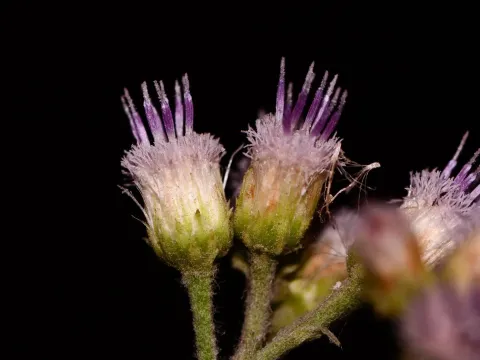
Pluchea tomentosa
Pluchea tomentosa
Pluchea tomentosa is a warm-season crop that requires stable, warm temperatures for successful germination and early establishment. Sowing should only occur once the threat of frost has passed and soil temperatures have consistently reached at least 15 to 18 degrees Celsius.
What the section contains
Pluchea tomentosa
To improve uniformity, seeds can be pre-treated using stratification or soaking in growth promoters. In temperate climates, starting seeds in greenhouses or protected seed trays is highly recommended to ensure a head start before transplanting into the field.
The optimal planting density depends on the final objective, with closer spacing used for biomass production and wider spacing for seed multiplication. Seeds should be sown at a shallow depth of approximately 1 to 2 centimeters to prevent exhaustion of the seedling reserves.
Moisture management during the germination phase is critical for the success of the crop. The seedbed must be kept consistently moist but not waterlogged, as excessive standing water can lead to seed rot and poor establishment rates.
When sowing in the field, rows should be spaced adequately to allow for mechanical weeding and proper air circulation. This reduces the risk of fungal infections later in the season and improves the overall quality of the harvested aerial parts.
As a member of the Asteraceae family, Pluchea tomentosa thrives in full sun conditions. Providing sufficient light is essential for the accumulation of active compounds in the foliage and for maintaining the structural integrity of the stems.
The species prefers well-drained, fertile, and light soils. Soil texture should ideally be sandy loam or loamy, allowing for rapid root expansion while maintaining enough moisture for growth during the active vegetative phases.
Although the plant exhibits moderate drought tolerance once established, consistent irrigation is necessary for maximum yield. Water stress during the critical flowering phase can significantly reduce the quality of the medicinal harvest.
Soil pH should ideally be in the neutral to slightly alkaline range. If the soil is too acidic, applying lime is a recommended practice to optimize nutrient uptake and improve the overall vigor of the plants during the growing season.
Balanced fertilization is key to supporting biomass production. Applying phosphorus and potassium at the onset of the budding phase helps to strengthen the plants and increases the production of essential secondary metabolites.
The harvest yield of Pluchea tomentosa is primarily determined by the weight of the dried aerial parts. Productivity increases significantly after the first year as the plants become more robust and develop a more expansive root system.
Commercial producers can expect yields of several tons per hectare depending on the management intensity. The plant's ability to produce lateral branches is the main driver of its high biomass potential during the summer months.
To maximize yields, top-pruning the main stems during the early vegetative phase is an effective practice. This encourages lateral development, effectively increasing the harvestable surface area of the plant.
Seed harvesting should be planned carefully, as the seeds are lightweight and prone to dispersal by wind. Harvesting the seed heads just before full maturity prevents field losses and ensures a higher capture rate for the next season.
Consistent monitoring of nutrient status and irrigation ensures that the plants remain in an active growth phase for as long as possible, which is essential for reaching the full yield potential of this species.
Pluchea tomentosa is susceptible to common garden pests such as aphids and spider mites, particularly when grown in dry and hot climates. These pests can compromise leaf health, affecting the commercial value of the crop.
Fungal diseases like powdery mildew can emerge in humid or poorly ventilated fields. Good management practices, including appropriate spacing and regular weeding, are the most effective ways to prevent these issues.
Biological pest control methods, such as encouraging beneficial predatory insects, are preferred over chemical pesticides to maintain the chemical purity required for medicinal or cosmetic applications of the plant.
Weeds represent a significant threat to young stands, competing for vital resources such as sunlight and water. Mechanical weeding between rows should be performed regularly to maintain a clean field and reduce the disease reservoir.
- Rotate crops every 3 to 4 years to prevent the buildup of soil-borne pathogens.
- Remove plant debris from the field after the harvest to reduce the overwintering capacity of pests.
- Monitor the underside of leaves weekly to detect early signs of spider mite infestations.
The timing of the harvest is crucial to ensure the highest concentration of phytochemicals. Harvesting should commence at the onset of flowering when the plant's metabolic activity is directed towards floral development.
For best results, harvest the aerial parts during the early morning after the dew has evaporated. Using mechanical harvesters on larger plots can significantly improve efficiency, but manual trimming is preferred for high-value botanical production.
Post-harvest handling is critical to the quality of the product. The harvested biomass must be moved to the drying area immediately to avoid overheating, fermentation, or discoloration, which can ruin the pharmacological value of the crop.
Drying should occur in a shaded, well-ventilated location at temperatures not exceeding 40 degrees Celsius. Rapid but gentle drying preserves the essential oils and ensures the product maintains its color and aroma.
Once fully dried, the material should be packaged in breathable containers and stored in a cool, dark, and dry environment. Proper storage prevents the degradation of active ingredients and allows the crop to be sold throughout the year.