
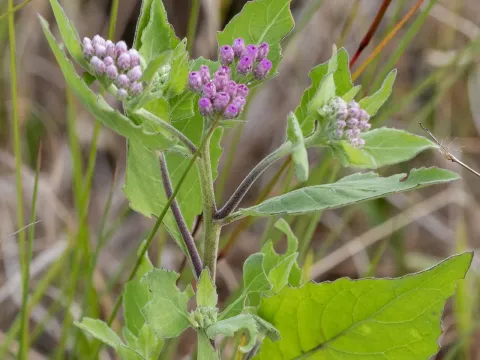
Pluchea odorata
Pluchea odorata
Pluchea odorata, commonly known as camphorweed, belongs to the Asteraceae family. It is typically propagated by seeds or stem cuttings. For commercial cultivation, starting seeds indoors in late winter provides a head start before moving seedlings to the field.
What the section contains
Pluchea odorata
Seeds are small and require light for germination, so they should be surface-sown or covered only with a thin layer of fine soil. Using a well-draining, sterile potting mix is essential to prevent damping-off diseases during the early stages of development.
Maintaining a temperature range of 20°C to 25°C is critical for successful germination. Once the seedlings develop their true leaves, they should be transplanted into larger containers to ensure adequate root development before hardening off.
When sowing directly into the ground, ensure all danger of frost has passed. Planting in rows with a spacing of 40–50 cm allows for proper airflow and development of the bushes, which is crucial for maximizing biomass production.
Providing consistent moisture during the germination and establishment phases is vital. Once the root system is well-developed, the plant becomes more resilient to fluctuations in environmental conditions.
As a native of tropical and subtropical regions, Pluchea odorata thrives in full sun exposure. It requires at least 6–8 hours of direct sunlight daily to produce high concentrations of its signature aromatic oils.
The plant is highly adaptable to various soil types, including sandy, loamy, and even slightly saline conditions. However, the best results are achieved in fertile soils with excellent drainage and a neutral to slightly alkaline pH level.
Watering requirements are moderate to high, particularly during the active growing season. While the plant can tolerate short periods of moisture surplus, it performs best with consistent, deep watering that encourages a deep root structure.
Regular fertilization with balanced nutrients during the early vegetative stage promotes vigorous growth. Incorporating organic compost before planting helps improve soil texture and provides essential micronutrients.
In regions with strong winds, providing some form of shelter is recommended to prevent mechanical damage to the stems. This protection helps the plants maintain their upright habit and energy for growth.
The primary yield of Pluchea odorata consists of its aromatic leaves and flowering tops. The biomass harvested is prized for its essential oils, which are utilized in traditional medicine and pharmaceutical research.
Depending on local climate conditions and agronomic practices, cultivators can often harvest the crop multiple times during one growing season. Pruning the tips of the branches encourages branching and increases the total weight of the harvest.
The concentration of medicinal compounds reaches its peak during the flowering phase. Timing the harvest to coincide with this stage is critical for ensuring the highest quality of the final processed product.
Effective post-harvest management, including rapid drying in shade, is necessary to preserve the volatile oils. This ensures the potency of the herb for both local use and market distribution.
Ongoing research into the pharmacological potential of Pluchea odorata continues to drive demand. Developing standardized extraction methods is key to improving the overall economic yield for growers.
Pluchea odorata is generally hardy, but it can be susceptible to fungal diseases such as powdery mildew, especially in environments with high humidity and poor air circulation. Proper spacing is a key preventative measure.
Aphids are the most common insect pests that may feed on the tender shoots. Monitoring the plant regularly allows for early detection and the use of organic pest management solutions like insecticidal soaps.
Root rot caused by poor soil drainage is a significant threat that can kill the plant quickly. Ensuring that the planting site has adequate slope or an artificial drainage system is highly recommended.
Weed control is essential during the early stages of growth, as the plant may be outcompeted by aggressive weeds. Mulching around the base of the plant effectively suppresses weed competition.
Good agricultural practices, including regular crop rotation and the use of healthy, disease-free planting material, significantly reduce the risk of major pest and disease outbreaks in the field.
Harvesting should be conducted when the plant is in the peak of its flowering stage. This timing ensures that the aromatic properties are at their most potent, which is essential for medicinal and commercial quality standards.
Using sanitized shears, cut the stems approximately 10–15 cm above the ground. This height allows the plant to recover and produce a secondary growth flush, which is vital for sustained productivity throughout the season.
After collection, the plant material must be spread out in a thin, even layer in a dry, dark, and well-ventilated area for drying. Exposure to direct sunlight must be avoided to prevent the oxidation of essential oils.
Once dried, the herbs should be stored in airtight containers made of glass or opaque material to maintain their flavor and therapeutic efficacy. Proper labeling of the harvest date and batch is important.
The final product quality is highly dependent on how quickly the moisture is removed from the leaves. A well-managed harvest process protects the commercial value and therapeutic integrity of the harvested material.