
Pluchea
Pluchea
Pluchea is a diverse genus of flowering plants belonging to the Asteraceae family. These plants are widely distributed across tropical and subtropical regions worldwide, showing significant adaptability to varying environmental conditions.
What the section contains

Pluchea
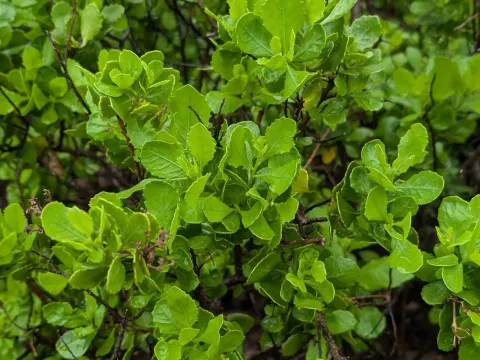
The botanical structure of Pluchea typically includes alternate leaves and clustered floral heads. Species within this genus range from small herbs to semi-woody shrubs, often found in coastal and saline habitats.
Climate requirements for Pluchea are strictly defined by its tropical origin. The plant thrives in warm environments and is highly sensitive to frost, which limits commercial production to regions with mild or tropical climates.
Soil preferences emphasize the need for well-draining substrates. Although they can tolerate a degree of soil salinity, for agricultural purposes, nutrient-rich and moist soils are essential for achieving optimal biomass production.
Cultivation techniques involve regular irrigation, particularly in the early stages, and sufficient exposure to sunlight. Proper spacing is necessary to allow for optimal air circulation and to promote healthy vegetative development.
The primary threats to Pluchea involve fungal diseases such as root rot and powdery mildew, which thrive in environments with poor drainage and high humidity levels.
Insect pests, including spider mites and aphids, frequently infest the foliage, leading to stunted growth and reduced overall quality of the plant material.
Management strategies require diligent monitoring of the leaves and stems to detect pest presence at the earliest possible stage, allowing for targeted intervention.
Preventative measures include maintaining clear planting rows and avoiding overhead irrigation if humidity levels are already naturally high in the growing region.
Integrated pest management, focusing on biological controls rather than harsh chemicals, is recommended to ensure the purity and sustainability of the crop.