
Pleiotaxis
Pleiotaxis
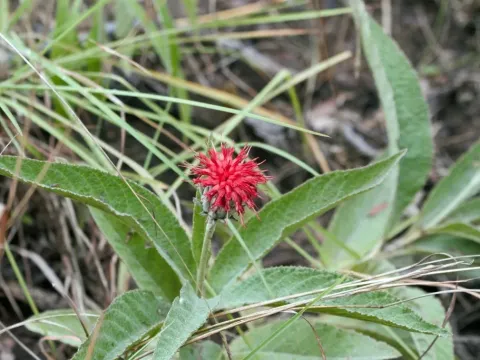
The genus Pleiotaxis belongs to the large family Asteraceae. These plants are herbaceous perennials or subshrubs native primarily to the tropical regions of Africa, where they inhabit grasslands, open woodlands, and savannas.
What the section contains
Pleiotaxis
Botanically, they are distinguished by their basal leaf rosettes and prominent flower heads that exhibit typical asteraceous structural features. As a crop or specialized ornamental, they are valued for their resilience in warm, seasonal environments that mimic their natural African range.
Successful cultivation requires soil that is exceptionally well-drained and aerated. Like many species from dry-seasonal habitats, the root system is prone to decay if kept in constantly wet or heavy, compacted soil, necessitating the use of coarse substrates or rocky mixes.
The plants thrive under full sun exposure, which is critical for maintaining compact growth habits and stimulating the development of their characteristic inflorescences. Shaded conditions often result in etiolation and a significant reduction in the plant's ability to produce flowers.
Regarding moisture, a balance must be maintained between active growth periods and a dormancy phase. During the warmer growing season, moderate irrigation is required, while in the cooler or drier dormant season, water application should be minimal to support the plant's natural life cycle.