
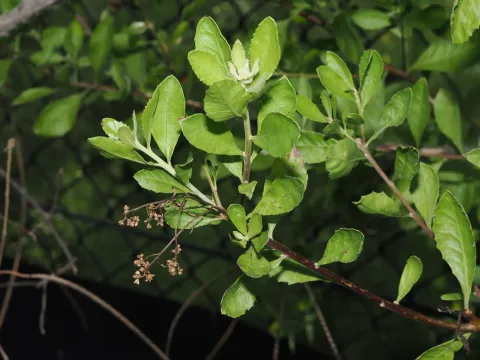
Indian camphorweed
Pluchea indica
Indian camphorweed (Pluchea indica) is a perennial shrub belonging to the Asteraceae family. It is native to the coastal regions of tropical Asia, thriving particularly in mangrove ecosystems and salt-affected coastal marshes.
What the section contains
Indian camphorweed
This species is well-known as a halophyte, meaning it is highly tolerant to soil salinity and brackish water. It prefers tropical climates with consistent temperatures between 20°C and 30°C and requires high ambient humidity for optimal growth.
Regarding light requirements, Pluchea indica performs best in full sunlight. It is sensitive to frost, which limits its commercial cultivation to frost-free tropical or subtropical geographical zones.
Soil management for this crop involves maintaining adequate moisture levels. While it is tolerant of temporary waterlogging, the soil should ideally be fertile and loose enough to support a robust root system expansion.
Agricultural practices for this plant include regular pruning, which promotes denser foliage development and increases the overall biomass yield. Proper spacing is essential to facilitate airflow and manage potential pest issues.
The economic value of Indian camphorweed is primarily derived from its medicinal properties. The leaves and roots are harvested to produce various anti-inflammatory, antioxidant, and antimicrobial herbal preparations.
Harvesting techniques typically involve picking fresh leaves throughout the year. In regions where it is grown as a vegetable, young shoots are selected, washed, and processed to neutralize bitterness, often used in soups or tea infusions.
Industrial processing of the plant requires careful post-harvest handling, including shade drying to preserve the volatile components and essential oils found in the leaves, which are valued in traditional medicine.
When harvesting for medicinal purposes, the timing is critical. It is recommended to perform collections early in the day, ensuring that the plant has not been stressed by intense midday heat, to ensure stable quality.
- Frequent selective harvesting promotes new shoot growth.
- Leaves are sun-dried or machine-dried for storage.
- Properly maintained crops can yield harvest for several years.
- Roots are harvested specifically for traditional therapeutic extracts.
- Sanitary post-harvest conditions are vital to prevent microbial growth.