
Inula bifrons
Inula bifrons
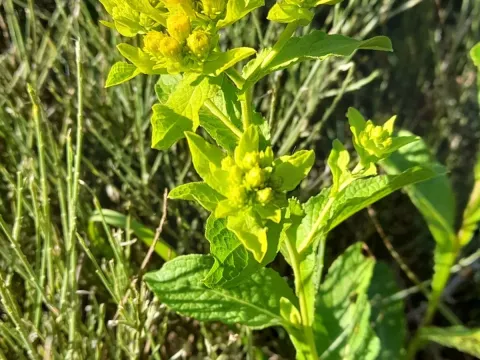
Inula bifrons is a perennial herbaceous plant belonging to the Asteraceae family. Native to the mountainous regions of Southern Europe, it is well-adapted to rocky substrates and temperate climatic conditions.
What the section contains
Inula bifrons
The plant exhibits distinct botanical features, including characteristic opposite or sub-opposite leaves that clasp the stem, which distinguishes it from other common species within the Inula genus.
Cultivation requires well-drained, calcareous soils with a neutral pH level. Proper soil preparation is essential to prevent root rot, as the species is sensitive to prolonged waterlogging during the dormant season.
It performs best in open, sunny locations where it receives at least six to eight hours of direct sunlight daily. Exposure to full sun is critical for the biosynthesis of secondary metabolites in the roots.
Agrotechnical management includes controlled irrigation during early development stages and periodic weeding. Once established, the plant shows significant resilience to environmental stressors.
The primary economic use of Inula bifrons lies in the pharmaceutical industry. Its roots and rhizomes are extracted for their high concentrations of inulin and essential volatile oils.
Harvesting should be conducted at the end of the second or third growing season. This ensures that the plant has reached its maximum nutritional and medicinal potential before the winter dormancy.
The extraction process involves careful mechanical excavation to preserve the integrity of the rhizomes. Post-harvest cleaning is vital to remove soil particles and prevent microbial contamination.
Drying is a critical step in the post-harvest chain. Controlled heat drying at temperatures not exceeding 40°C is recommended to stabilize the active compounds and ensure long-term storage viability.
The final product is typically stored in airtight containers within cool, dark, and dry warehouses to maintain the pharmacological potency of the root extracts for industrial manufacturing purposes.