
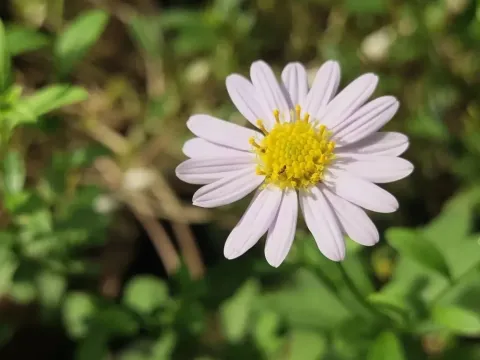
Indian aster
Kalimeris indica
Indian aster (Kalimeris indica) is a hardy perennial herbaceous plant belonging to the Asteraceae family. In regions where it is cultivated as a culinary green, sowing typically occurs in early spring once soil temperatures have reached 15-18 degrees Celsius.
What the section contains
Indian aster
For a reliable start, seeds can be sown indoors or in greenhouse trays approximately four to six weeks before the last frost date. This practice ensures that seedlings are robust enough for transplanting into the open field when the weather stabilizes.
Direct sowing in garden beds requires well-prepared, fine-textured soil. Seeds should be sown shallowly, at a depth of about 1 centimeter, and kept consistently moist to ensure successful germination and seedling establishment.
Proper spacing is vital for the health and development of the plants. Growers typically recommend rows spaced 30 to 40 centimeters apart, which provides sufficient room for the plant to spread and simplifies weeding and harvesting operations.
Once seedlings emerge, thinning is necessary to ensure each plant receives adequate nutrients and light. Maintaining optimal density prevents competition and promotes the development of lush, high-quality foliage.
This crop thrives in sunny locations but can tolerate partial shade, particularly during the intense heat of mid-summer. Exposure to direct sunlight is generally preferred to maximize vegetative growth and nutrient content.
Indian aster prefers fertile, well-draining soils with a neutral or slightly acidic pH level. Incorporating organic matter, such as compost or well-rotted manure, prior to planting provides a solid foundation for growth.
Water management is critical for the quality of the edible greens. The plants require regular irrigation, especially during dry spells, to prevent the foliage from becoming tough, fibrous, or excessively bitter in flavor.
Nutrient requirements are moderate; however, balanced nitrogen-rich fertilizers can significantly boost leafy biomass production. It is important to avoid over-fertilizing, which can lead to succulent, weak stems prone to damage.
Maintaining an ambient temperature between 20 and 25 degrees Celsius is ideal for active growth. In hotter climates, organic mulch can be applied to retain soil moisture and regulate the temperature around the root zone.
A key advantage of Kalimeris indica is its ability to provide multiple harvests throughout the growing season. Regular pruning of mature leaves and stems encourages the plant to produce new, tender vegetative growth.
Yield efficiency is highly dependent on the frequency of harvesting and the overall agronomic care provided. With proper irrigation and selective harvesting, the plants can remain productive for many months.
The highest quality harvest is obtained from young, actively growing leaves before the plant transitions into the flowering phase. Timely removal of flower stalks is recommended to keep the plant in its vegetative state.
Modern intensive farming methods, such as fertigation and controlled environment conditions, can significantly enhance yield potential, making this a promising crop for commercial leafy green production.
Under optimal management, a well-established patch of Indian aster can produce significant quantities of edible greens, making it a highly rewarding crop for market gardeners and home growers alike.
Indian aster is generally resistant to many common pests, but it can be susceptible to powdery mildew when planted in overly dense conditions with poor air circulation. Proper spacing is the primary preventative measure.
Aphids and spider mites are common pests that may feed on the tender young leaves, particularly during periods of stress. Early detection through regular field scouting is essential for effective pest management.
Root rot can occur if soil drainage is inadequate or if the crop is over-irrigated. Ensuring the soil is well-drained and avoiding standing water around the base of the plants is critical for long-term survival.
Biopesticides and organic control methods are preferred for this vegetable crop to ensure the produce remains safe for culinary use. Avoiding harsh chemical interventions helps maintain the ecological balance of the garden.
- Implementing crop rotation to break the life cycles of soil-borne pathogens.
- Keeping the area weed-free to eliminate alternative hosts for pests.
- Providing adequate ventilation to reduce the incidence of fungal issues.
Harvesting begins when the plant reaches a height of 15 to 20 centimeters. Using sharp, clean shears, growers can harvest individual outer leaves or cut back entire stems to stimulate a fresh flush of growth.
The best time to harvest is in the early morning, once the dew has evaporated but before the heat of the day. This minimizes water loss and helps the greens maintain their crispness and texture for a longer period.
Post-harvest handling should involve immediate cooling to preserve quality. If the greens are not sold or consumed immediately, they should be stored at temperatures between 2 and 4 degrees Celsius with high humidity.
Proper packaging, such as using ventilated containers, is important to prevent bruising and to allow for air circulation, which helps maintain the freshness and vibrant appearance of the foliage.
As a culinary herb and green vegetable, Indian aster is valued for its unique taste profile and nutritional benefits. Careful handling ensures that the culinary experience is maximized from the field to the kitchen.