
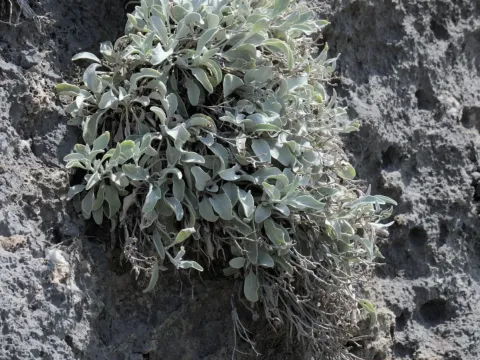
Inula candida
Inula candida
Inula candida is a perennial plant belonging to the Asteraceae family. For optimal cultivation, seeds should be sown in early spring once soil temperatures reach 10-12 degrees Celsius, or in late autumn to benefit from natural stratification.
What the section contains
Inula candida
The soil preparation for seeding involves creating a fine, loose tilth. Seeds are planted at a shallow depth of 1-2 centimeters, ensuring they are adequately covered with soil and kept moist to facilitate uniform germination.
In agricultural systems, a row-cropping method is preferred with spacing of approximately 60 centimeters between rows. This arrangement allows for mechanical weeding and ensures that each plant has sufficient space for healthy root development.
Seed germination typically occurs within 15 to 20 days under favorable conditions. Moisture management during the initial stages is critical to avoid seedling stress and ensure a stable population density across the field.
The goal is to maintain a density of roughly 5 to 8 plants per linear meter to maximize biomass production. Proper spacing also improves airflow, which helps in preventing moisture-related plant diseases.
This species thrives in sunny environments with well-drained soil. While Inula candida shows moderate drought tolerance once established, consistent irrigation during the vegetative stage is essential for high-quality root development.
The ideal soil for this crop is a sandy loam or loamy soil rich in organic matter, with a pH ranging from 6.0 to 7.0. Soils with good aeration are preferred to prevent the compaction that often hinders root growth.
Avoid planting in areas with high water tables or poor drainage, as standing water can lead to root rot and other fungal infections. Careful site selection is the first step in successful crop management.
Maintenance includes frequent hoeing of inter-row spaces to eliminate weed competition. Keeping the plot clean during the first two years of the plant's life is vital, as the seedlings are susceptible to being overtaken by faster-growing weeds.
Fertilization with organic compost or balanced NPK fertilizers is recommended to support growth. Phosphorus and potassium applications during the late summer months help strengthen the roots for winter dormancy.
Fungal diseases, specifically powdery mildew and various types of root rot, are the primary threats to Inula candida. These issues are often exacerbated by humid weather conditions and poor ventilation within the plant canopy.
Pests such as aphids and leaf-eating insects can cause damage during the active growing season. Regular scouting of the field is necessary to detect these pests before they reach levels that cause significant economic damage.
A rigorous crop rotation schedule, avoiding fields where previous Asteraceae crops were grown for at least 4-5 years, is the most effective biological control measure against soil-borne pathogens.
Chemical control should be used as a last resort, strictly following the regulatory guidelines for application rates and pre-harvest intervals. Always prioritize integrated pest management (IPM) techniques.
Proper hygiene, including the removal and destruction of infected plant debris, helps maintain the health of the plantation and reduces the potential for disease outbreaks in subsequent years.
Harvesting usually occurs at the end of the second or third growing season. The best time for collection is in late autumn when the aerial parts of the plant wither, signaling that energy is stored in the roots.
The roots are lifted using mechanical plows or specialized digging equipment. After lifting, they must be cleaned of soil, debris, and smaller fibrous roots, then thoroughly washed in clean water.
Processing the roots involves cutting larger segments to allow for consistent drying throughout the core. This step prevents internal spoilage and ensures a uniform final product quality.
Drying is performed in climate-controlled environments at temperatures not exceeding 45 degrees Celsius. This carefully managed temperature preserves the active chemical compounds and essential oils within the roots.
The final dried product is packed in moisture-resistant containers and stored in a cool, dark, and dry location. These conditions extend the shelf life of the harvested material while maintaining its medicinal efficacy.