
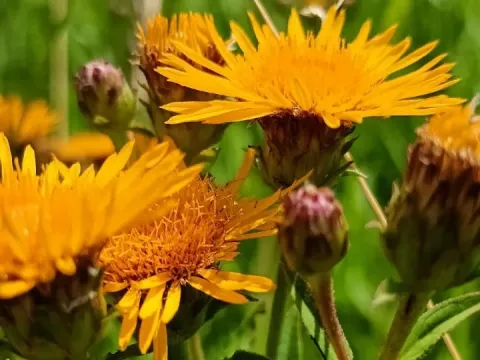
Inula aspera
Inula aspera
Inula aspera is typically propagated through seeds, which should be sown either in early spring or during late autumn for natural stratification. Proper seed placement is vital for successful germination in this species.
What the section contains
Inula aspera
Seeds should be planted at a shallow depth of 1–2 centimeters, ensuring they are not covered too heavily. Soil compaction immediately after sowing helps to improve moisture retention and germination rates.
For commercial cultivation, row planting is the preferred method. A spacing of 45 to 60 centimeters between rows allows for mechanical weed control and ensures adequate airflow for the developing plants.
Germination usually takes between two to three weeks, depending on soil temperatures. During the first year, the plant focuses on establishing a rosette of leaves, making early weed management essential to prevent competition.
Transplanting seedlings started in controlled environments is also a viable method. This approach ensures more uniform stand establishment, especially in regions with unpredictable spring weather conditions.
Inula aspera belongs to the Asteraceae family and is highly valued for its adaptability. It thrives in well-lit areas, as excessive shade can significantly reduce the concentration of active medicinal compounds.
The ideal soil for this crop is light, fertile loam or sandy loam. Good drainage is non-negotiable, as the plant is susceptible to root rot when exposed to waterlogged conditions for extended periods.
Soil pH should ideally remain between 6.0 and 7.5. Regular soil testing is recommended to ensure that nutrient levels are adequate for the plant's sustained growth throughout its life cycle.
This species is quite hardy, capable of withstanding cold winters without special protection in most temperate climates. It is an excellent choice for growers looking for resilient perennial medicinal crops.
Moderate irrigation is necessary during the active growing season, particularly during dry spells. However, growers should reduce water availability towards the end of the season to improve root quality and consistency.
Productivity in Inula aspera is heavily dependent on the maturity of the plants, with the second or third year typically providing the highest yield of quality root biomass per hectare.
Yields generally range from 15 to 25 centners per hectare. Optimal fertilization, especially with phosphorus and potassium, plays a crucial role in enhancing both root size and quality.
Routine cultivation, such as loosening the soil between rows, helps to promote better root development. This simple practice significantly contributes to the overall health and yield potential of the plantation.
Managing the plant density and removing potential flowering stems in non-seed-producing crops can redirect energy to the roots, which is the primary economic component of the plant.
Sustainable crop rotation is highly recommended to avoid soil exhaustion. Rotating Inula aspera with other crops ensures that soil nutrients remain balanced over multiple planting cycles.
While Inula aspera is generally robust, it can face challenges from various pests and diseases if the local microclimate becomes excessively humid or if plants are spaced too closely.
Powdery mildew is one of the most common threats, particularly in thick stands with poor circulation. Keeping the area weed-free and providing adequate space between plants is the best preventative strategy.
Root rot remains a concern, especially in heavy or compacted soils. Selecting the right field with natural drainage is the most effective way to avoid this problem throughout the lifespan of the crop.
Occasional infestations of aphids can occur during the early stages of growth. Monitoring and timely intervention using appropriate biological or mechanical methods are usually sufficient to manage these populations.
Maintaining a clean field environment and adhering to recommended hygiene practices during harvesting can minimize the spread of soil-borne pathogens and keep the plantation healthy for years.
Harvesting takes place in autumn, once the aerial parts of the plant have begun to die back. This timing ensures that the roots have accumulated the maximum concentration of essential compounds.
Mechanical harvesting using specialized equipment is recommended to efficiently lift the roots. Careful handling is required to prevent damage, as wounded roots are more susceptible to rot during storage.
After excavation, the roots must be thoroughly cleaned of soil and debris. Washing in cold water should be performed quickly to prevent the loss of soluble active components.
Drying is a critical phase where the roots are processed in well-ventilated areas or specialized ovens at temperatures not exceeding 50 degrees Celsius to preserve chemical integrity.
Once dried, the product should be stored in a cool, dry, and clean environment. Proper packaging is essential to protect the high-quality medicinal material from moisture and external pests.