
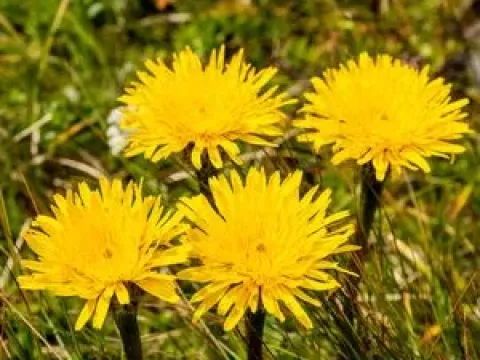
Hypochaeris uniflora
Hypochaeris uniflora
Hypochaeris uniflora belongs to the Asteraceae family. It is a perennial herbaceous plant typically found in subalpine and alpine meadows, as well as on rocky mountain slopes.
What the section contains
Hypochaeris uniflora
This species is highly adapted to severe climatic conditions, including freezing temperatures and high moisture levels during the snowmelt period. It prefers well-drained, slightly acidic or neutral soils with moderate humus content.
In high-altitude environments, the plant withstands intense UV radiation and strong winds. Its root system penetrates deep into the substrate, ensuring stability and access to nutrients in poor, rocky soils.
The plant is heliophilic, requiring open areas with minimal shading for successful growth. Excessive soil moisture during the summer can lead to root rot, so proper drainage is essential for its survival.
Reproduction occurs mainly through wind-dispersed seeds, equipped with a pappus. While primarily a wild species, it is becoming popular in rock gardens due to its unique aesthetic appeal and hardiness.
The economic use of Hypochaeris uniflora is primarily linked to its natural habitat. It is not grown as a commercial agricultural crop but serves as a valuable forage component in mountain pastures.
The biomass of the plant is rich in biologically active compounds, such as flavonoids. In some regions, its young leaves have been traditionally used as edible greens, highlighting its nutritional potential.
Yields of green mass vary significantly depending on seasonal weather conditions. Due to slow initial growth, harvesting must be managed carefully to ensure the regeneration of natural populations.
Research indicates potential in the pharmaceutical industry due to the antioxidant properties of its extracts. Developing cultivation protocols for this species remains a challenge due to its specific habitat needs.
Landscape gardening is a promising direction for this plant. Its bright yellow inflorescences provide significant decorative value from July to August, making it an excellent candidate for alpine-themed gardens.
Hypochaeris uniflora possesses high resistance to common crop diseases due to the antimicrobial properties of its tissues. Fungal infections are generally only a threat in conditions of waterlogging.
Pests that typically affect Asteraceae, such as aphids, can occasionally cause damage during dry, hot periods. However, the plant usually recovers quickly due to its robust natural defense mechanisms.
Overgrazing by livestock is the primary threat to natural populations. Animals frequently consume the succulent rosette leaves, which exhausts the plant's nutrient reserves and reduces its population density.
Competition from more aggressive grass species can limit the plant's spread. High-nitrogen fertilizers often favor invasive grasses, which eventually displace Hypochaeris from its native alpine habitat.
Environmental degradation, including soil pollution and climate changes, poses a significant risk. Conservation of these high-altitude ecosystems is crucial for protecting the biodiversity of this unique species.