
Hypochaeris tweediei
Hypochaeris tweediei
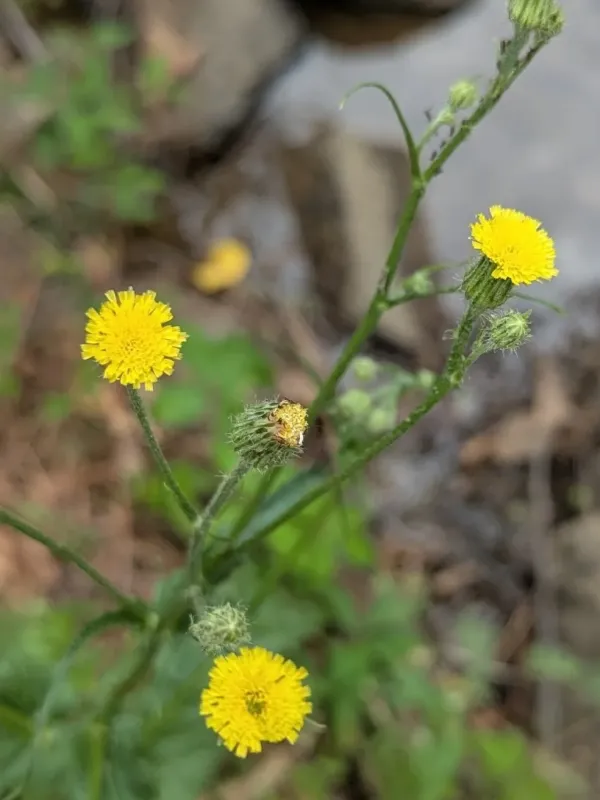
Description
Growing requirements
Hypochaeris tweediei is a perennial herbaceous plant belonging to the Asteraceae family. This species is native to specific high-altitude regions of South America, where it thrives in challenging ecological niches that are often unsuitable for conventional crops.
The plant exhibits remarkable adaptation to rocky, nutrient-poor, and sandy soils. Its root system is well-adapted for stability and nutrient absorption in harsh, fluctuating mountainous climates, making it a potentially resilient crop for sustainable agricultural systems.
Botanically, it features a dense basal rosette of leaves and upright flowering stalks typical of the genus. These physiological adaptations provide the plant with protection against environmental stressors, such as wind and temperature instability, which are common in its natural range.
Cultivation requires well-drained soil and adequate exposure to sunlight to support optimal growth and the development of high-quality green biomass. While it is hardy, providing consistent light and keeping soil drainage at an ideal level significantly boosts its yields.
Regarding its potential use, Hypochaeris tweediei is investigated for its nutritional composition, which may offer advantages for fodder quality. Its ability to regenerate effectively after grazing or harvesting highlights its value for long-term grassland management.
Main diseases and pests
Primary threats to Hypochaeris tweediei in agricultural settings include fungal root diseases, often triggered by excessive moisture or poor soil drainage. Such conditions can rapidly lead to root decay and the loss of individual plant clusters.
Pests, particularly leaf-feeding insects, represent a significant threat to the overall vegetative yield of the crop. Regular monitoring for infestations, especially during the early growth stages, is crucial to prevent substantial economic losses in field density.
The development of powdery mildew can also occur if the canopy remains consistently humid for extended periods. Implementing proper spacing between plants ensures good air circulation, which is a key preventative measure against this common fungal pathogen.
Crop rotation remains the most effective strategy to prevent the buildup of soil-borne pathogens and pests common to the Asteraceae family. Avoid planting this species in consecutive cycles on the same plot to preserve soil health and plant vigor.
Weed management is vital during the initial establishment phase. As a relatively slow-growing plant at the seedling stage, it requires protection from aggressive weeds through manual weeding or careful mechanical cultivation around the crop rows.