
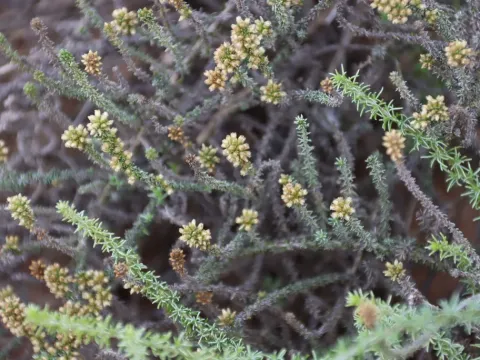
Ifloga
Ifloga
Ifloga is a genus of flowering plants belonging to the Asteraceae family. These plants are uniquely adapted to thrive in harsh, arid environments, making them specialized subjects for research in dryland agriculture and ecological restoration.
What the section contains

Ifloga
The distribution of this genus spans primarily across southern Africa, the Mediterranean, and parts of the Canary Islands. The plants have evolved to survive in nutrient-poor, sandy soils where moisture retention is minimal and environmental stress is constant.
To cultivate Ifloga successfully, growers must mimic its natural environment. High solar exposure is mandatory, and the plants require significant space to prevent competition for limited resources. These plants do not tolerate high humidity, which can quickly lead to fungal infections.
Soil requirements focus heavily on drainage. Even slight waterlogging can be fatal to the root systems of these species. Therefore, highly porous, sandy or rocky soil compositions are essential for maintaining the health of the crop throughout its vegetative cycle.
Beyond its ecological value in preventing soil erosion and fixing shifting sands, Ifloga holds interest for botanists and researchers focusing on drought-resistant flora. Its ability to remain productive under extreme heat makes it a subject of interest for sustainable land management in desertified areas.