
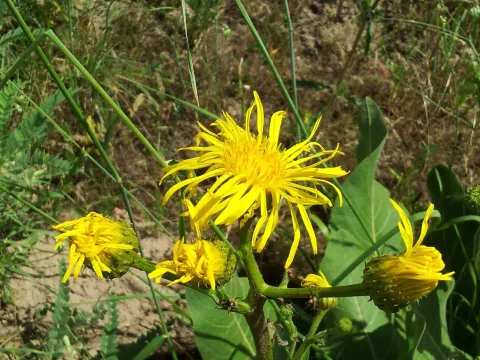
Inula ciliaris
Inula ciliaris
Inula ciliaris is a perennial herbaceous plant belonging to the Asteraceae family. It is recognized for its adaptability and is primarily distributed across temperate regions where it thrives in diverse ecological niches, preferring habitats with stable moisture levels.
What the section contains
Inula ciliaris
The cultivation of this species requires well-drained, nutrient-rich soil with a slightly acidic to neutral pH level. Proper site selection is vital, as the plant responds positively to deep, loamy soils that allow for extensive root system development and efficient water uptake during peak growth periods.
Regarding climate, the plant exhibits significant cold tolerance but performs best in environments that provide high sunlight exposure. A balanced temperature range of 18–24 degrees Celsius is ideal for optimizing biomass production and ensuring the accumulation of secondary metabolites within the plant tissues.
Agricultural management includes precise irrigation scheduling to prevent waterlogging, which the species is particularly sensitive to. Regular cultivation and weeding are essential in the early stages of growth to eliminate nutrient competition from invasive weed species in the field.
The plant is highly valued for its biochemical properties, containing compounds such as inulin and essential oils. These are widely extracted for use in the nutraceutical and pharmaceutical industries, where they are utilized in digestive aids and anti-inflammatory supplements.
The crop is susceptible to powdery mildew, a fungal infection that thrives in humid and stagnant air conditions. Improving plant spacing to increase airflow is a recommended primary control measure to mitigate disease pressure.
Root and crown rot are common issues resulting from poorly drained soil or excessive precipitation. Farmers should prioritize soil preparation with adequate organic amendments and ensure that the irrigation system does not create localized water saturation.
Pests such as aphids and spider mites can cause significant damage to the foliage during periods of environmental stress. Implementing an integrated pest management (IPM) approach, including the introduction of natural predators, effectively keeps pest populations below economic injury levels.
Leaf miners may cause aesthetic and physiological damage by burrowing through the leaf tissue. Removing infested leaves manually can prevent the rapid spread of the pest across the plantation.
Viral infections, transmitted primarily by insect vectors, can cause chlorosis and stunted growth in Inula ciliaris. Controlling vector populations is the most effective way to protect the plant's health throughout the entire production cycle.