
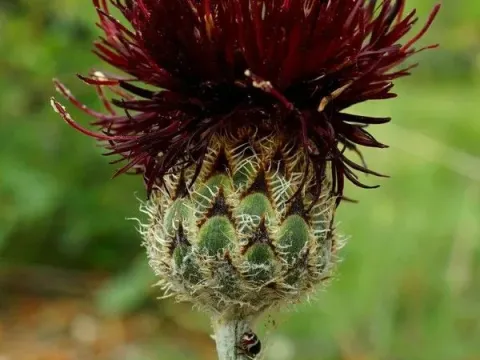
Immanuel-Loew Centaury
Centaurea immanuelis-loewii
The Immanuel-Loew Centaury (Centaurea immanuelis-loewii) is a distinct species belonging to the Asteraceae family. It is a rare perennial herbaceous plant valued primarily for its unique place within the biodiversity of the region.
What the section contains
Immanuel-Loew Centaury
The native range of this species is restricted to specific mountainous regions in Turkey. Being an endemic species, it has evolved to thrive in specialized environmental niches characterized by rocky substrates.
Botanically, this plant is defined by its hardiness and ability to survive in nutrient-poor, well-drained soils. Its physiological structure allows it to withstand extreme thermal fluctuations typical of high-altitude landscapes.
In terms of growth requirements, this plant demands excellent soil aeration and a lack of excessive organic matter. It prefers sunny locations and does not tolerate competition from more aggressive, fast-growing herbaceous species.
Commercial cultivation is not currently practiced for this species. It is primarily managed within protected areas or botanical collections aimed at studying the evolutionary adaptations of the genus Centaurea.
Major threats to the species include habitat degradation, caused by human activity and shifts in environmental stability. Overgrazing in mountainous areas poses a significant risk to the natural regeneration of the population.
Pathogenic threats include fungal infections such as powdery mildew, which can occur if the local microclimate becomes stagnant or too humid. Maintaining dry and airy conditions is crucial for plant health.
Common pests known to affect the genus, such as aphids and leaf miners, may occasionally infest the plants. However, in its natural habitat, these are usually managed by the ecological balance of predators.
There are no large-scale agricultural disease management protocols for this plant. Conservation efforts prioritize the integrity of the soil and the limitation of external chemical interference.
As a rare plant, its survival depends on preserving the delicate ecosystem of its natural habitat. Research continues to determine how this species responds to contemporary climate-related challenges.