
Plectostachys
Plectostachys
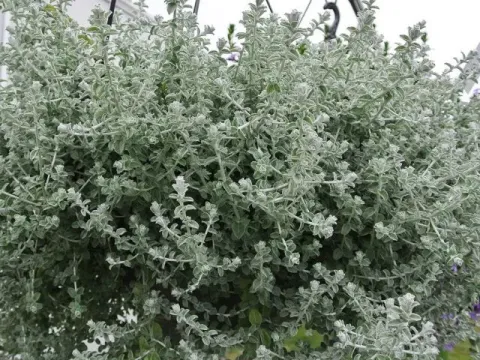
Plectostachys is a genus of plants belonging to the Asteraceae family. Known for its distinct silver-toned foliage, this plant is a popular choice for borders and container arrangements, adding texture and contrast to garden beds.
What the section contains
Plectostachys
Originating from regions with specific environmental pressures, Plectostachys has evolved to be highly tolerant of bright sun and low moisture levels. Botanically, these plants are characterized by dense, fine hairs on their leaves which act as a natural barrier against evaporation.
The cultivation requirements focus heavily on drainage. This plant cannot thrive in waterlogged soil, making well-draining sandy or gritty soil types essential for healthy growth. If planting in containers, ensure pots have adequate drainage holes.
Full sun is a critical requirement for Plectostachys. Exposure to maximum daily light ensures the plant maintains its compact form and vibrant, silvery aesthetic. Insufficient light levels will cause the plant to become leggy and lose its unique color intensity.
Maintenance is relatively low, requiring infrequent irrigation and minimal fertilization. Over-fertilization, especially with nitrogen, should be avoided as it encourages soft growth that is more susceptible to disease and reduces the plant's natural hardiness.
The primary threats to Plectostachys are fungal infections caused by excessive humidity and poor soil drainage. Root rot is the most common issue, often resulting from a combination of cool weather and too much water in the soil.
Pests such as spider mites and aphids can become an issue, particularly when the plant is stressed by dry air or poor air circulation. These pests target the new growth, potentially stunting the development of the plant.
Managing diseases involves improving airflow and being strictly disciplined with the watering schedule. Fungicides can be used as a preventative measure if the local climate is prone to high humidity levels.
Pest management should focus on biological control agents or soft insecticidal soaps when an infestation is identified. Regular scouting of the foliage is necessary to detect early signs of pest damage or fungal pathogens.
Maintaining a clean growing environment, free of decaying plant matter, helps significantly in reducing the overall risk of disease and promoting the long-term health of the crop.