
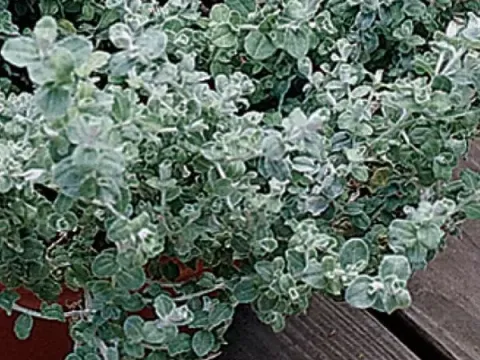
Plectostachys serpyllifolia
Plectostachys serpyllifolia
Plectostachys serpyllifolia is a perennial herbaceous plant belonging to the Asteraceae family. It is widely recognized for its striking silver-grey foliage, which provides excellent texture and color contrast in various horticultural applications.
What the section contains
Plectostachys serpyllifolia
The plant originates from South Africa, where it has evolved to thrive in arid and semi-arid climates. This geographical background dictates its preference for open, sun-exposed locations with excellent air circulation.
Optimal growth requires full sun exposure to maintain the characteristic silver color of the leaves. In environments with insufficient light, the plant tends to lose its compact habit and may show signs of etiolation.
The ideal soil for this species must be well-drained and sandy. Poorly drained soil, especially during winter months, is the most common cause of root rot and subsequent plant mortality in non-native habitats.
Cultural practices should emphasize minimal irrigation once the plant is established. Regular pruning is necessary to encourage bushiness and to prevent the center of the plant from becoming woody or bare over time.
The primary threats to Plectostachys serpyllifolia involve fungal pathogens triggered by high humidity and poor soil drainage. Maintaining good plant spacing is crucial to ensure adequate airflow and reduce the incidence of fungal issues.
Pests such as spider mites and aphids may infest the plant, particularly in sheltered or drought-stressed conditions. Integrated pest management, including regular inspection and biological control, is recommended for healthy crop maintenance.