
Plecostachys
Plecostachys
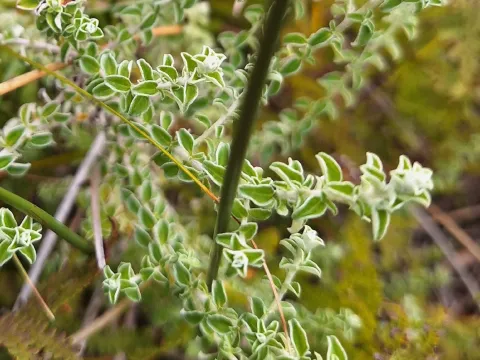
Plecostachys is a genus of perennial plants and subshrubs belonging to the Asteraceae family. The most recognized species, Plecostachys serpyllifolia, is highly regarded for its dense, silvery, woolly foliage that adds aesthetic value to gardens.
What the section contains

Plecostachys
Originating from the arid regions of Southern Africa, these plants have evolved specialized physiological mechanisms to survive in harsh, sun-drenched environments with very little available moisture.
For optimal growth, Plecostachys requires a location with full exposure to sunlight. Its soil requirements include a well-draining, gritty, or sandy medium that prevents any form of moisture retention around the root zone.
The agronomic management of this plant focuses on imitating its natural habitat. It thrives in poor soil conditions and does not require frequent fertilization, as excessive nutrients can result in leggy, unattractive growth patterns.
In terms of practical use, it serves as a versatile groundcover in rock gardens or as a textured element in containers, effectively contrasting with deep green perennials or succulents in mixed arrangements.
The primary threat to Plecostachys health is root rot, caused by overwatering or poorly draining soil conditions. This condition often results in rapid decline if not identified and treated early by correcting moisture levels.
High humidity combined with poor airflow can lead to fungal issues and mold development, which often affects the dense, hairy surfaces of the leaves and stems.
Pests such as spider mites can infest the plant, particularly in dry indoor environments or greenhouses, leading to stippled foliage and stunted growth over time.
Mealybugs are also occasional visitors that can settle in the leaf axils, requiring mechanical removal or targeted systemic insecticidal treatments to prevent significant infestations.
Maintaining a dry, airy environment is the most effective cultural practice for ensuring the plant remains free from pathogens and pests throughout the growing season.