
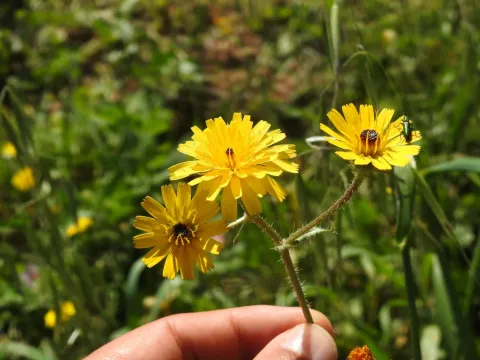
Picris willkommii
Picris willkommii
Picris willkommii is a perennial herbaceous plant belonging to the Asteraceae family, recognized for its exceptional resilience in challenging soil and climatic environments.
What the section contains
Picris willkommii
The plant originates from the Mediterranean basin, which explains its adaptation to semi-arid regions and its ability to thrive in soils with limited nutrient availability.
Botanically, it is characterized by a sturdy stem covered with bristly hairs and lanceolate leaves, facilitating efficient transpiration control under intense solar radiation.
Regarding soil requirements, the species thrives in well-drained, neutral to slightly alkaline substrates, showing high tolerance to poor soil structures where other crops fail.
Agricultural use focuses on soil conservation and land restoration, where the deep root system of the plant helps to prevent erosion and improve the physical properties of the topsoil.
The primary diseases affecting Picris willkommii in cultivated conditions include powdery mildew, which often develops during periods of high humidity and stagnant air.
Pest pressure is mainly attributed to aphids and various types of beetles that feed on the leaf tissue, potentially causing significant stunted growth if left unmanaged.
Fungal leaf spots can also occur if crop residues from previous cycles are not properly removed from the field, acting as a reservoir for pathogens.
Integrated pest management strategies should include regular field scouting and the use of targeted biological or chemical control agents to prevent outbreaks.
Ensuring proper plant spacing and managing soil moisture levels are essential techniques to maintain the health and vigor of the crop throughout the growing season.