
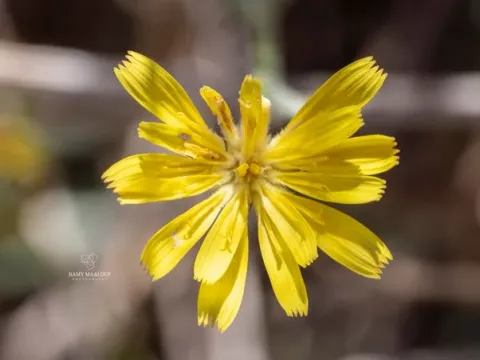
Picris strigosa
Picris strigosa
Picris strigosa, a member of the Asteraceae family, is a herbaceous plant noted for its robust nature and adaptability to various environmental conditions. It is frequently studied for its drought tolerance and potential as a resilient forage component.
What the section contains
Picris strigosa
The plant thrives in well-drained soils, showing a preference for sandy or silty loams. It maintains high productivity levels even in soils with moderate nutrient availability, making it a valuable subject for sustainable agricultural systems.
Sunlight is a critical requirement for this species. It performs best in open field conditions where direct sunlight supports the development of its characteristic yellow flower heads and vegetative biomass.
Water requirements for Picris strigosa are relatively low due to its deep taproot system. This biological adaptation allows the plant to access subsoil moisture, ensuring survival and growth during dry spells.
Botanically, the plant is easily identified by its bristly hairs covering the leaves and stems. These hairs serve as a protective mechanism against herbivory and reduce transpiration rates in harsh, arid climates.
Common threats to Picris strigosa include fungal pathogens, such as powdery mildew, which can appear in environments with poor air circulation or excessively high humidity levels during the growing season.
Insect pests, particularly aphids, can cause significant stress to the plants by feeding on young sap. Monitoring for these pests is essential to prevent stunted growth and potential transmission of plant viruses.
Cultural control methods, such as maintaining appropriate plant spacing, are highly effective in reducing the incidence of disease. Proper ventilation helps keep foliage dry, limiting the growth of fungal spores.
Crop rotation and field hygiene are vital components of any management strategy for this species. Removing crop residues that harbor pests and pathogens helps in maintaining a healthy field environment.
Integrated Pest Management (IPM) practices should be employed to balance the need for pest control with environmental sustainability, ensuring the long-term viability of the crop in various farming systems.