
Picrosia
Picrosia
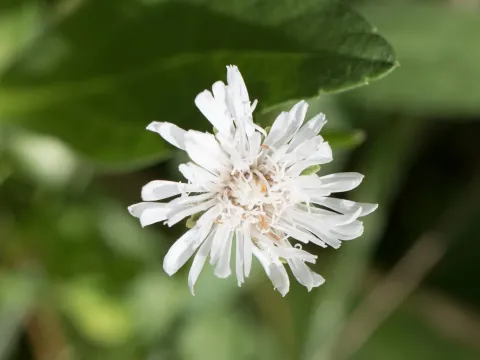
Picrosia is a genus of perennial herbaceous plants belonging to the Asteraceae family. For successful agricultural production, sowing should take place in early spring when soil temperatures consistently reach 10-12 degrees Celsius, ensuring favorable conditions for germination.
What the section contains

Picrosia
Soil preparation is a foundational step that involves deep plowing to create a fine tilth, allowing the seeds to establish a strong root system quickly. The recommended seeding depth is approximately 1.5 to 2 centimeters to provide sufficient protection while ensuring the sprout reaches the surface efficiently.
Proper spacing between rows is essential for machine cultivation and air circulation, typically set at 30 to 45 centimeters. This arrangement helps in reducing competition for nutrients and sunlight among individual plants in the field.
After seeding, firming the soil with a roller is highly recommended to improve seed-to-soil contact. This practice promotes better water uptake from deeper soil layers, which is crucial for uniform emergence in drier climatic conditions.
In the initial stages after sowing, maintaining moisture levels is vital. Supplemental irrigation should be provided if natural rainfall is insufficient, particularly during the first two weeks post-emergence, to ensure a healthy and uniform plant population.
Picrosia thrives in well-drained, fertile soil, ideally preferring loamy or sandy loam textures with a neutral pH. It is sensitive to waterlogging, so selecting fields with natural slope or effective drainage systems is mandatory to prevent root suffocation.
Sunlight exposure is a critical requirement for this crop, as it is a highly photophilous plant. Adequate light intensity directly influences the metabolic processes, biomass accumulation, and the concentration of essential compounds within the plant tissues.
The optimal temperature range for development lies between 18 and 25 degrees Celsius. While it can withstand mild fluctuations, extreme heat or prolonged cold spells can disrupt growth cycles and reduce the overall quality of the harvestable material.
Nutrient management is key to maximizing yields, particularly regarding nitrogen, phosphorus, and potassium balance. Soil testing before planting helps in tailoring fertilization programs to the specific needs of the field, ensuring a healthy growth progression.
The plant demonstrates a moderate tolerance to drought once established, thanks to its deep-reaching root architecture. However, maintaining soil moisture at 70-80% of field capacity during the peak vegetative phase is recommended for professional cultivation.
The yield of Picrosia is significantly dependent on precise agronomic management and environmental conditions. Proper timing of harvest is crucial, as the chemical profile of the plant is at its peak during the full flowering stage.
Modern irrigation techniques and optimized fertilization schedules can result in a substantial increase in biomass output. Data from research plots suggest that consistent moisture management can boost yields by nearly one-third compared to non-irrigated crops.
Harvesting should be performed using specialized machinery to minimize leaf loss and prevent contamination. Efficient cutting methods ensure that the plant material remains uniform, which is essential for processing and marketability.
Post-harvest processing involves rapid drying techniques to reduce moisture content and prevent microbial growth. Utilizing climate-controlled drying facilities preserves the nutritional integrity of the harvest, adding value to the final product.
Consistent monitoring and yield recording are essential for adjusting farming strategies. Evaluating productivity data across different seasons allows growers to refine their techniques and improve the overall efficiency of their operations.
Fungal diseases, especially those thriving in high humidity, present the greatest threat to Picrosia crops. Regular inspections and preventative applications of fungicides are necessary to keep pathogen levels below the economic threshold of damage.
Pests like aphids and certain beetle species may target young leaves and stems, causing significant stress to the plant. Integrated Pest Management (IPM) strategies, which prioritize biological controls, are highly effective in managing these threats.
Weed control is of paramount importance during the early vegetative stages. Mechanical cultivation between rows and manual weeding are standard practices used to prevent weeds from outcompeting the crop for water and soil nutrients.
Soil-borne nematodes can pose a risk to the root system, potentially reducing nutrient uptake. Practicing rigorous crop rotation and using certified healthy seeds are the primary defense mechanisms against such persistent soil threats.
Overall, maintaining plant vigor through appropriate agronomic practices is the best defense against pests and diseases. A well-nourished and healthy plant population is inherently more resilient to environmental stressors and biotic challenges.