
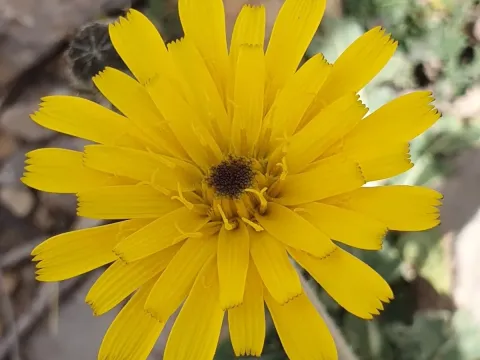
Picris hispanica
Picris hispanica
Picris hispanica is an interesting representative of the Asteraceae family. For optimal establishment, sowing should occur during the early spring once soil temperatures consistently reach 10 degrees Celsius.
What the section contains
Picris hispanica
The seedbed must be prepared to a fine tilth, as the seeds are relatively small. A sowing depth of 1 to 2 centimeters is ideal to ensure sufficient moisture contact while allowing the seedling to emerge efficiently.
Row spacing is typically set at 25-30 centimeters to balance individual plant growth with the suppression of weeds. This spacing facilitates mechanical weeding and promotes good airflow through the crop canopy.
Seed quality is paramount, and it is recommended to use certified seeds with high germination energy. Uniform sowing density is crucial to ensure a homogeneous crop that matures at the same time.
Regular irrigation in the weeks following germination is vital for success. During the seedling stage, the plant is vulnerable to drought, and stable soil moisture significantly boosts initial vigor.
This crop thrives in well-drained, sandy loam soils with a neutral pH. It is highly adaptable to various soil types, but it performs poorly in waterlogged environments where root oxygen exchange is limited.
The plant demonstrates significant drought tolerance once established, making it suitable for regions with limited rainfall. However, maximum biomass production is achieved when soil moisture is maintained during growth.
Sunlight exposure is a critical factor for Picris hispanica development. Full sun leads to stronger, healthier plants with higher seed yields compared to those grown in partial or total shade.
Moderate fertilization with nitrogen at the start of the vegetative phase supports rapid leaf production. Subsequent phosphorus and potassium applications are beneficial during the budding stage to enhance plant structure.
The optimal temperature range for the active growth period is between 18 and 26 degrees Celsius. High temperatures combined with low humidity rarely harm the crop, confirming its resilient nature.
The primary threats to the crop include fungal diseases such as powdery mildew, especially during seasons with high humidity. Ensuring proper planting density is the most effective preventative measure.
Root pests, including wireworms, can pose a problem if the crop is planted repeatedly on the same plot. Rotating with non-Asteraceae crops is highly recommended to break the pest lifecycle.
Aphids can colonize the young shoots, leading to stunted growth. Regular crop scouting allows for early detection, enabling the use of soft soaps or biological controls before an outbreak occurs.
Weed competition is a significant challenge in the early growth stages. Integrated weed management, including mechanical cultivation, remains essential to keep the crop clear of aggressive competitors.
Proper harvest hygiene prevents the carry-over of pathogens into the next season. Removing crop debris post-harvest reduces the inoculum levels for subsequent years significantly.
Harvesting for forage purposes should ideally take place before the onset of full flowering. This ensures the best ratio of protein to fiber in the harvested biomass for animal nutrition.
For seed production, harvesting is timed for when the flower heads show clear signs of browning and maturity. Timely intervention is required to minimize losses from seed shattering.
Mechanical harvesting utilizes combine headers adjusted specifically for the size and density of the plant. Precision in settings reduces the risk of damaging the seeds during the threshing process.
Post-harvest processing involves immediate drying to reduce seed moisture to below 14 percent. This step is critical for maintaining long-term viability and preventing fungal growth in storage.
Cleaned seeds should be stored in cool, dry, and well-ventilated areas. Regular inspections of the storage site are recommended to ensure consistent quality until the next planting season.