
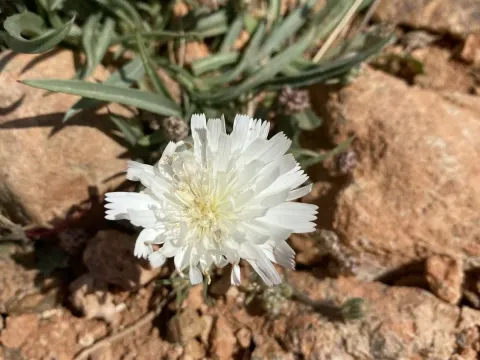
Picris asplenioides
Picris asplenioides
Picris asplenioides is a member of the Asteraceae family, well-regarded for its resilience and adaptability. It originates from regions where rocky or sandy soils are common, making it highly drought-tolerant.
What the section contains
Picris asplenioides
Environmental requirements for this crop focus primarily on sunlight exposure. It is a heliophilic plant, meaning it performs best when exposed to direct sunlight for the majority of the day, which promotes robust flowering.
Regarding soil conditions, it demands excellent drainage to prevent root rot. It thrives in loamy or sandy soil types that maintain a slightly alkaline to neutral pH balance, avoiding heavy, water-retentive clay.
Climate adaptation is a key feature of this species. It is naturally equipped to handle high-temperature environments, making it suitable for areas with prolonged dry seasons where other crops might struggle.
Effective agronomy practices for Picris asplenioides include periodic cultivation of soil between rows to maintain aeration. Balanced fertilization, focusing on potassium for hardiness, significantly improves crop quality.
Disease management is critical for ensuring yield. Powdery mildew remains the most common fungal issue, often triggered by high humidity levels or poor air circulation within the plant canopy.
Root system infections, particularly various types of fungal rot, pose a threat in areas with insufficient drainage. Preventive measures involve avoiding over-irrigation and ensuring the plant site is well-drained.
Pests such as aphids are frequent visitors to the succulent parts of the plant. They weaken the plant by extracting sap, which may lead to stunted growth or the transmission of secondary viral infections.
Spider mites can also become a problem during periods of intense heat and dry conditions. Regular monitoring of the underside of leaves is necessary to catch infestations before they cause extensive damage.
Integrated pest management, including the use of beneficial insects and timely removal of infected plant debris, is the recommended strategy for maintaining a healthy and productive stand.