
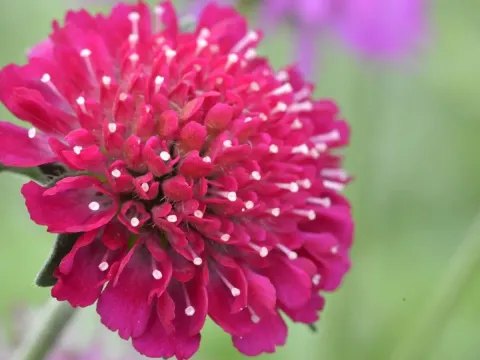
Macedonian cornflower
Centaurea macedonica
Centaurea macedonica is a perennial herbaceous plant belonging to the Asteraceae family. It is valued for its hardiness and reliable performance in garden landscapes.
What the section contains
Macedonian cornflower
Sowing should take place in early spring once the soil temperature is suitable for germination. The seeds require a well-prepared seedbed to establish themselves effectively.
Space the seeds about 40 to 50 centimeters apart to allow for proper airflow and development. Proper spacing is crucial to prevent competition for nutrients among the growing plants.
For earlier blooms, gardeners can start seeds indoors in late winter. This approach protects seedlings from late frosts and ensures a longer growing season once transplanted outdoors.
Autumn sowing is also a viable option in many climates, as the seeds benefit from natural winter stratification, leading to more vigorous growth when temperatures rise in spring.
This species thrives in full sun, requiring at least six to eight hours of direct sunlight daily to produce vibrant flowers. It will not perform well in shaded areas.
Well-drained, fertile soil is ideal for its development. While it is tolerant of various soil types, sandy or loamy soils with neutral pH levels are highly recommended for optimal results.
Once established, the plant exhibits excellent drought tolerance. However, providing supplemental irrigation during prolonged dry spells will enhance flower production and overall plant health.
Avoid planting in areas prone to waterlogging, as the root system is susceptible to decay if exposed to excessive moisture for extended periods.
Regular maintenance involves light fertilization with a balanced mix during the active growth period to support healthy foliage and robust flower stalks.
Powdery mildew is a common fungal issue that arises in humid conditions with poor air circulation. Proper spacing between plants is the most effective preventative measure.
Root rot occurs primarily due to soil compaction or poor drainage. Ensuring that the site is well-drained and preventing overwatering is essential for disease prevention.
Aphids and spider mites are typical pests that can infest the foliage, particularly during dry seasons. Regular observation is necessary for early detection and mitigation.
Biological controls or insecticidal soaps can be applied when pest populations are identified to keep the infestation from causing significant damage to the plant.
Maintaining a clean garden bed by removing debris and weeds helps reduce the risk of secondary infections and pest harboring throughout the growing cycle.
The primary use of Centaurea macedonica is for ornamental displays and cut flower arrangements. Its structural integrity makes it a favorite for floral decorators.
Harvesting for bouquets should be done in the morning when the blooms are partially open. Use clean, sharp shears to cut the stems, leaving a portion of the foliage intact.
Deadheading faded flowers is a beneficial practice that encourages the plant to direct its energy toward new growth and subsequent flowering rather than seed production.
Seeds can be harvested at the end of the season. Once the seed heads turn brown and dry on the stalks, they can be collected and stored in a cool, dry place for future planting.
At the end of the season, cut the stems back to the ground level to prepare the plant for winter dormancy. The roots remain hardy and will sprout again when the season turns warm.