
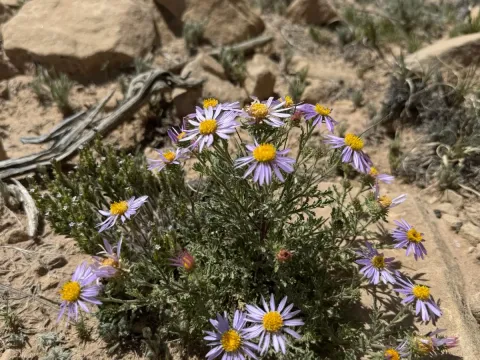
Machaeranthera
Machaeranthera
Machaeranthera, a member of the Asteraceae family, is typically propagated by seeds. In temperate regions, it is recommended to sow seeds in late autumn or early spring using seed trays for better control.
What the section contains
Machaeranthera
The seeds show high germination rates when stratification is applied, which significantly improves seedling vigor. Seedlings should be transplanted into open soil only after the danger of frost has passed.
When sowing directly into the soil, it is essential to ensure the seeds are planted at a depth of 0.5 to 1 centimeter. Maintaining stable soil moisture is critical until the first true leaves emerge.
Spacing between individual plants should range from 30 to 50 centimeters, depending on the specific variety. Proper spacing prevents overcrowding and encourages healthier air circulation.
The best time for planting out is when the soil temperature reaches at least 10–12 degrees Celsius, ensuring that the root system develops efficiently and the plant adapts quickly.
This crop is a classic xerophyte, originating from the arid regions of North and Central America. It prefers well-drained, sandy, or rocky soils with relatively low organic content.
The plant exhibits exceptional tolerance to direct sunlight and requires open, sunny locations to thrive. Shaded conditions lead to weak stems and a loss of the plant's natural decorative shape.
Machaeranthera is not particularly sensitive to soil pH but performs best in neutral to slightly alkaline soils with good aeration. Stagnant water is detrimental to the plant's root system.
Climate requirements focus on moderate watering during the active growth phase, after which the plant becomes naturally drought-tolerant. It is well-adapted to significant daily temperature fluctuations.
To maintain decorative quality in agricultural or garden settings, it is important to avoid over-watering and excessive nitrogen application, which can cause vegetative overgrowth at the expense of floral development.
The primary threats to Machaeranthera include fungal diseases triggered by excessive soil moisture. Root rot is a common issue when drainage is inadequate for the plant's needs.
In humid conditions, plants may be susceptible to powdery mildew, characterized by a white film on the leaves. Regular spacing and thinning help to mitigate these risks effectively.
Pests such as aphids and spider mites pose the greatest threat during hot, dry weather. They feed on plant sap, which can significantly weaken the immune system of the crop.
Caterpillars of certain moth species may occasionally damage the flower heads; therefore, monitoring the plants during the budding stage is a standard part of successful cultivation.
For pest and disease control, utilizing biological control agents is highly recommended to adhere to integrated pest management principles and reduce reliance on synthetic chemicals.