
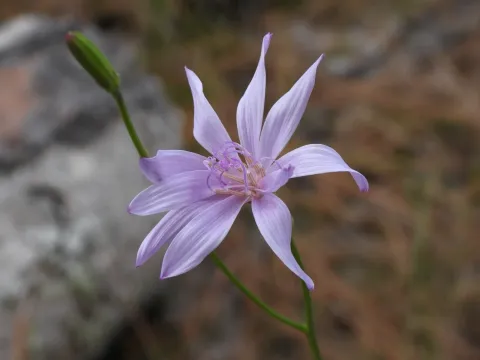
Lygodesmia
Lygodesmia
Lygodesmia is a genus of perennial herbaceous plants belonging to the Asteraceae family. Often referred to as skeletonweed, these plants are known for their remarkable ability to thrive in harsh, arid environments where other species fail to establish.
What the section contains
Lygodesmia
The plant features a deep, extensive taproot system designed to access water reservoirs deep within the soil profile. This adaptation provides high drought tolerance, making it a subject of interest for soil stabilization projects in arid regions.
Optimal growth requires well-drained, sandy or gravelly soils. Lygodesmia is highly sensitive to waterlogged conditions, which can lead to rapid root decay; therefore, selecting sites with excellent drainage properties is essential for any cultivation attempt.
Climate-wise, the plant thrives in areas with high solar radiation and low relative humidity. It is a heliophyte, demanding full sun exposure to maintain its metabolic activities and structural integrity throughout the growing season.
Botanically, Lygodesmia is characterized by reduced, narrow leaves and branching, stiff stems that often produce a milky sap. This morphological structure minimizes moisture loss through transpiration, allowing the plant to survive extended periods of summer heat.
Fungal pathogens represent the most significant threat to Lygodesmia, particularly when soil moisture levels exceed the plant's tolerance. Diseases such as root rot can decimate populations in poorly drained agricultural environments.
Pests such as soil-dwelling larvae can severely damage the root system, leading to stunted growth or plant death. Additionally, various insects specializing in Asteraceae may target the flower buds, impacting the reproductive success of the plant.
Weed competition remains a primary concern during the establishment phase. Because Lygodesmia has a relatively slow initial growth rate, aggressive invasive weeds can easily overtop and shade out young plants, causing significant mortality.
Effective disease management involves implementing proper spacing to ensure adequate airflow and humidity control. Maintaining a clean field environment without excessive mulch helps prevent the development of moisture-dependent pathogens.
Integrated pest management strategies should focus on monitoring for early signs of infestation. Chemical control should be used judiciously, as the plant's ecological role and natural hardiness can be compromised by unnecessary agrochemical intervention.