
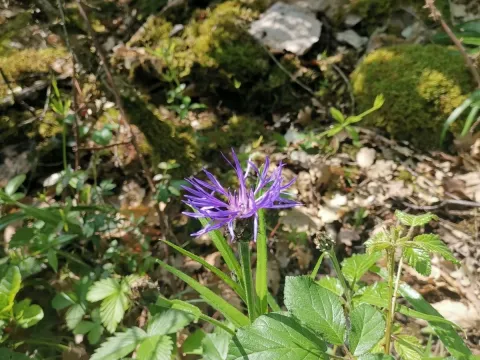
Lyon cornflower
Cyanus lugdunensis
Lyon cornflower (Cyanus lugdunensis) is a member of the Asteraceae family. This species is known for its resilience and specific growth requirements that are essential for optimal development.
What the section contains
Lyon cornflower
Sowing in open ground typically takes place in early spring once the soil temperature is stable. Precise seed placement is crucial for germination, with a shallow sowing depth being highly recommended.
When starting from seeds, it is important to space plants appropriately to allow for sufficient airflow. Overcrowding can lead to humidity issues and potential fungal infections during the growing season.
Using a seed-starting mix in trays can significantly improve germination rates. Seedlings should be hardened off before being transplanted into their final location in the field or garden.
Maintaining consistent moisture levels during the germination phase is essential. Once the plants are established, they show greater tolerance to moderate soil moisture fluctuations.
The plant requires full sun exposure to flourish and produce high-quality blooms. Insufficient light results in elongated, weak stems and significantly reduced flowering capability.
Well-draining, neutral soils are ideal for the development of the root system. Heavy or clay soils should be amended with organic matter or grit to improve aeration and water permeability.
Regular maintenance involves weeding and light hoeing around the base of the plant. These practices help conserve soil moisture and prevent the spread of competing weeds.
Fertilization should be balanced, focusing on nutrients that support both vegetative growth and reproductive phases. Excessive nitrogen should be avoided to prevent over-lush foliage at the expense of flowers.
Temperature requirements are generally modest, as the species is well-adapted to temperate climates. It demonstrates strong frost resistance during winter months in most regions.
Common issues include powdery mildew and root rot caused by stagnant water. Good cultural practices, such as proper spacing, are the first line of defense against these diseases.
Aphids and mites can become pests under certain environmental conditions. Regular scouting is recommended to ensure that populations remain below the economic threshold of damage.
Sanitation of the growing area at the end of the season is vital. Removing old plant debris reduces the overwintering sites for pathogens and insect larvae.
Integrated pest management strategies should be applied to minimize the need for chemical intervention. Promoting beneficial insects can help manage pest populations naturally.
Monitoring the soil's health through regular testing helps avoid nutrient imbalances that could make the plants more susceptible to environmental stressors and diseases.