
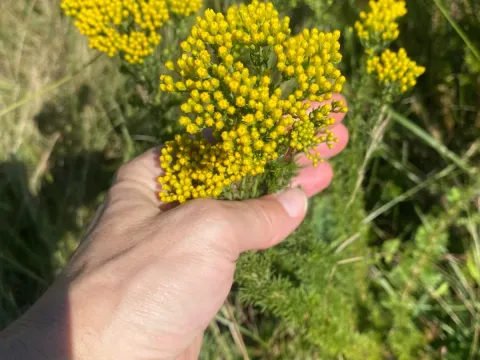
Phymaspermum
Phymaspermum
Phymaspermum is a genus of flowering plants belonging to the Asteraceae family. These perennials are primarily native to the arid and semi-arid regions of Southern Africa, where they have adapted to harsh environmental conditions.
What the section contains

Phymaspermum
To cultivate Phymaspermum successfully, it is essential to provide well-draining, sandy, or gravelly soils. The plants are highly susceptible to root decay if the substrate retains too much moisture for extended periods.
The species requires full sun exposure to maintain its structural integrity and encourage flowering. Providing adequate space for air circulation is vital, as stagnant air can promote the development of fungal pathogens.
Regarding climate, Phymaspermum thrives in warm, dry environments. It exhibits remarkable drought tolerance, making it an excellent candidate for xeriscaping or cultivation in climates with long dry seasons.
Agronomic management involves minimal irrigation and avoiding excessive fertilization. High levels of nitrogen fertilizers often lead to weak, elongated stems that lack the natural robustness of the species.
The main threats to Phymaspermum are fungal infections resulting from overwatering or high humidity. Root rot is the most common condition that leads to the rapid decline and death of the plant.
Pests such as aphids and spider mites can colonize the foliage during the growing season. These insects feed on plant sap, which can significantly reduce the vitality of the plant if left untreated.
Preventive measures include implementing a strict irrigation schedule and ensuring the planting site has excellent drainage. Avoiding overhead watering helps to keep the foliage dry and prevents fungal growth.
If an infestation occurs, targeted use of insecticidal soap or specialized systemic pesticides is recommended. Treatments should be applied during the cooler parts of the day to avoid leaf scorch.
Monitoring the health of the plants regularly allows for the early detection of stress factors. By maintaining a clean growing environment and removing debris, the risk of pathogen spread is minimized.