
Phalacrocarpum
Phalacrocarpum
Phalacrocarpum is a genus of perennial herbaceous plants belonging to the Asteraceae family. Native to the mountainous regions of the Iberian Peninsula, these plants are highly specialized for growth in rocky and poor-nutrient environments.
What the section contains


Phalacrocarpum
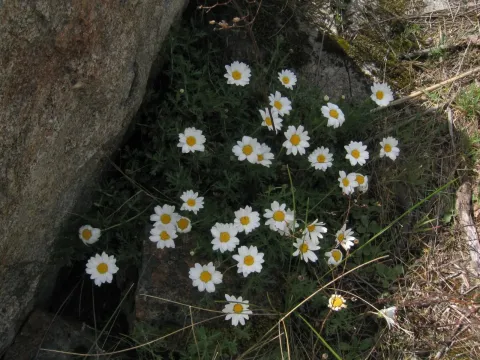
Botanically, they are characterized by their compact size and often pubescent foliage, which serves as a natural defense mechanism against evaporation and extreme mountain climates. The flowers are typical daisy-like heads with yellow florets.
The crop requires full sun exposure to maintain its structural integrity and prolific flowering. It cannot thrive in low-light conditions, which typically lead to weak stems and poor development of the root system.
Soil requirements are strict: the medium must be extremely well-draining, such as a mix of gravel, sand, and lean soil. Any form of waterlogging will lead to rapid decay of the crown, as the plant is highly sensitive to root moisture.
In terms of agricultural and horticultural use, Phalacrocarpum is valued exclusively for decorative purposes. It is an ideal species for rock gardens, stone troughs, and xeriscaping projects due to its resilience after establishment.
The primary threats to Phalacrocarpum cultivation are fungal pathogens, specifically those causing root rot and damping-off. High humidity levels combined with stagnant air are the main catalysts for these diseases.
Pests such as aphids may infest the plant during the growing season. While not always fatal, these infestations significantly reduce the plant's aesthetic value and weaken its overall physiological state.
Root pests and nematodes can also be problematic if the soil contains uncomposted organic matter. Therefore, using clean, mineral-based growing media is essential to avoid introducing these threats.
Preventive measures include implementing a strict irrigation schedule that allows the substrate to dry out completely between waterings. Air circulation must be maximized to keep the foliage dry.
Chemical intervention should be considered a last resort. If disease or pest pressure becomes critical, use only mild, plant-safe treatments to avoid causing damage to the delicate root systems of the specimens.